Storm Damage & Hurricane Roof Repair in Wesley Chapel, FL
Severe thunderstorms, tropical storms, and hurricanes can leave residential roofs in Wesley Chapel, FL vulnerable to wind damage, missing shingles, displaced roof tiles, and water intrusion. Strong wind gusts and flying debris may compromise flashing, ridge caps, and other roofing components, sometimes creating damage that is difficult to identify from the ground.
For homeowners near Seven Oaks, Meadow Pointe, and throughout the Wesley Chapel area, understanding the extent of storm-related roof damage is an important first step toward protecting their property. A thorough roof assessment can help identify affected materials, document visible damage, and determine whether targeted storm damage repairs or more extensive roofing work may be necessary.
Understanding Storm and Hurricane Roof Damage in Wesley Chapel, FL
Storm-related roof damage can develop in several ways, depending on wind intensity, rainfall, flying debris, and the condition of existing roofing materials. In Wesley Chapel, FL, powerful summer thunderstorms and tropical weather systems can loosen asphalt shingles, displace concrete or clay roof tiles, and compromise flashing around roof penetrations. Even when a roof appears intact from the ground, damaged underlayment or exposed fastening points may increase the risk of water intrusion during subsequent rainfall.
For homeowners in communities such as Lexington Oaks and Estancia at Wiregrass, understanding how severe weather affects different roofing components can help identify potential problems before minor damage develops into more extensive repairs.
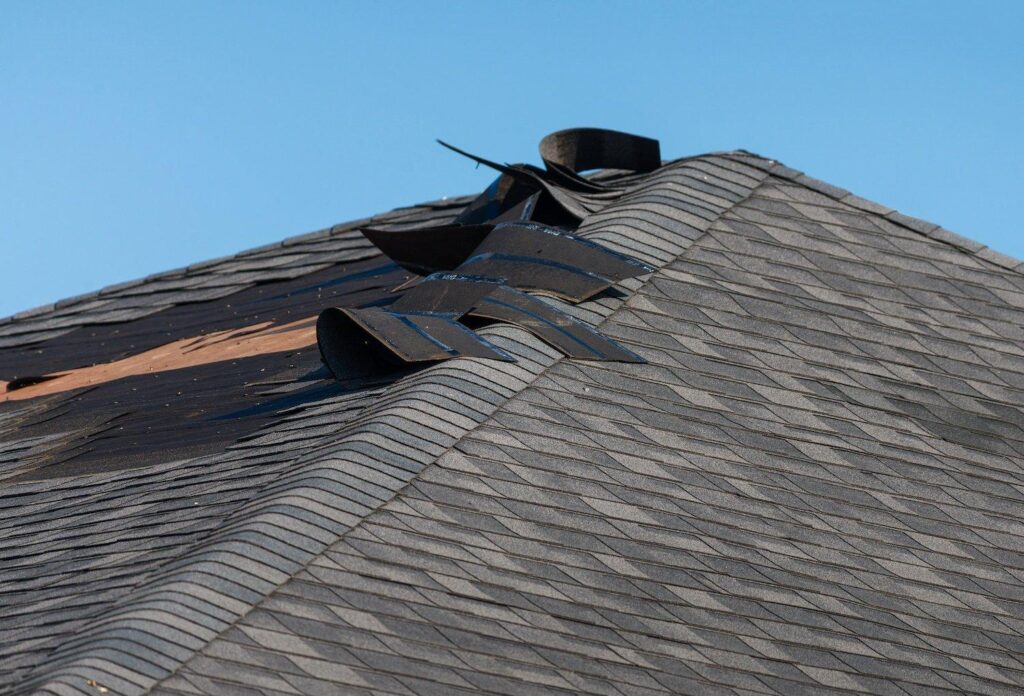
High Winds and Lifted Roofing Materials
Strong wind gusts can lift asphalt shingles, loosen ridge caps, and displace roof tiles, particularly along roof edges and other vulnerable areas. When roofing materials shift or separate, the protective layers beneath them may become exposed to rainfall. Identifying wind-related damage early can help determine whether individual roofing components can be repaired or whether a larger section requires attention.
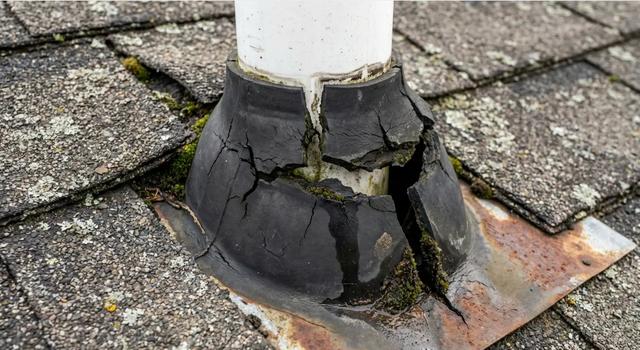
Wind-Driven Rain and Hidden Water Intrusion
Heavy rainfall combined with strong winds can force moisture beneath damaged shingles, around deteriorated flashing, or through vulnerable roof penetrations. Water may travel along roof decking or structural components before becoming visible inside the home. Following severe weather, ceiling discoloration, damp attic insulation, and moisture near vents may indicate the need for further roof leak investigation.
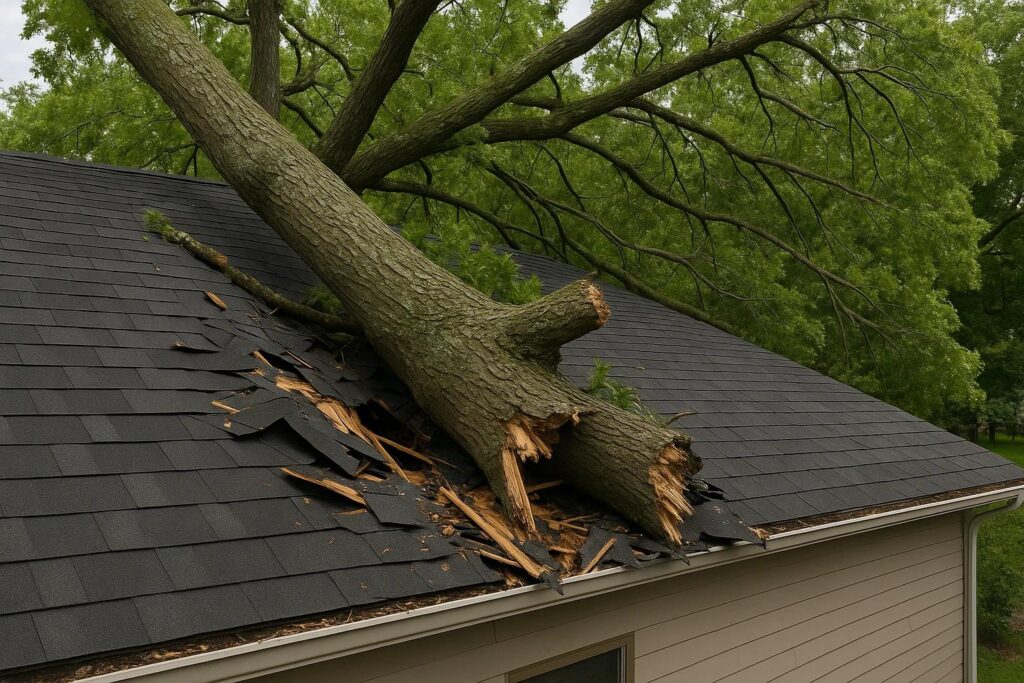
Falling Branches and Storm Debris Damage
Falling tree limbs and windborne debris can crack roof tiles, puncture roofing membranes, damage gutters, or compromise flashing and other exposed components. The severity of impact damage depends on the roofing material and the affected area. A professional inspection can help determine whether damage is limited to the roof surface or extends into the underlying roof assembly.
6 Common Signs of Storm Damage to Your Roof in Wesley Chapel, FL
Following severe thunderstorms, tropical storms, or hurricanes, roof damage is not always immediately apparent. Strong winds may loosen shingles, displace roof tiles, damage flashing, or expose vulnerable sections of a roofing system. In some cases, the first indication of damage appears inside the home as a ceiling stain, damp attic insulation, or water entering during subsequent rainfall. Recognizing these warning signs can help homeowners determine when a professional roof assessment may be necessary.
Across Wesley Chapel neighborhoods near Bruce B. Downs Boulevard, State Road 56, and the Wiregrass Ranch area, residential roofing materials can be affected by wind-driven rain, falling branches, and storm debris. The following six warning signs can help homeowners recognize possible roof damage without attempting to climb onto an unsafe roof.
Missing or Lifted Roof Shingles
High winds can loosen, curl, tear, or completely remove asphalt shingles, exposing the roofing materials beneath them. Homeowners may notice missing shingles, uneven roof surfaces, or shingle fragments scattered around their property after a storm. Even a relatively small damaged area can allow rainwater to reach vulnerable roofing layers, making timely evaluation important.
Cracked or Displaced Roof Tiles
Concrete and clay roof tiles may crack, shift, or become dislodged during severe wind events or debris impacts. Displaced tiles can expose underlayment and create openings where wind-driven rain may enter. Broken tile fragments on the ground or visibly uneven tile rows may indicate damage requiring closer inspection, even when interior leaks have not developed.
Damaged Flashing and Roof Vents
Storms can loosen metal flashing, damage vent boots, and compromise seals around chimneys, skylights, and other roof penetrations. These vulnerable areas may allow water to enter even when surrounding shingles or tiles appear intact. Visible separation, bent flashing, or deteriorated seals following severe weather may indicate a potential source of roof leakage.
Fallen Branches and Debris Impact
Falling tree limbs and windborne debris can damage shingles, fracture roof tiles, dent metal roofing, or puncture vulnerable roof surfaces. Larger impacts may also affect decking or structural components beneath the visible roofing materials. Following a storm, branches resting on the roof, scattered debris, or newly damaged roof sections should be assessed before additional rainfall occurs.
Ceiling Stains or Damp Attic Insulation
Brown ceiling stains, peeling paint, damp insulation, or unexpected moisture in the attic may indicate water entering through storm-damaged roofing materials. Water can travel along roof decking and framing before appearing inside the home, so the visible stain may not identify the actual entry point. These symptoms can warrant further investigation of the roofing system.
Damaged Ridge Caps, Soffits, or Roof Edges
Roof ridges, eaves, soffits, and perimeter edges can be especially vulnerable to strong wind uplift. Missing ridge caps, loose fascia, displaced soffit panels, or separated roofing materials may indicate that wind has compromised the roof’s protective exterior. Damage along these areas can expose underlying components to moisture and may require targeted repairs or a broader roof condition assessment.
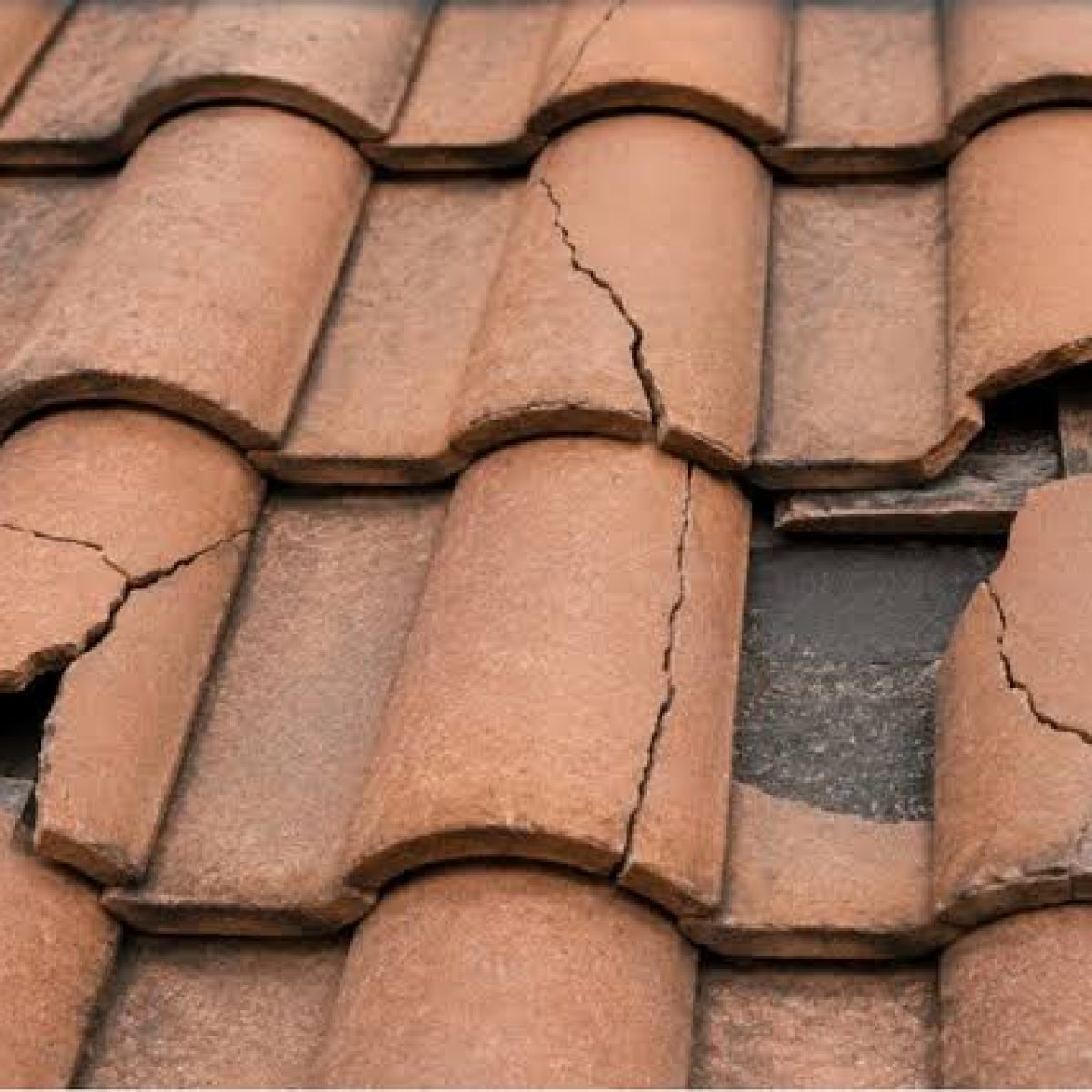
Storm Damage to Shingle, Tile, and Metal Roofs in Wesley Chapel, FL
Storm damage can affect roofing materials differently depending on their design, age, installation, and exposure to severe weather. Asphalt shingles may lose their protective granules or become loosened by wind uplift, while concrete and clay tiles can crack, shift, or expose the underlayment beneath them. Metal roofing systems may experience displaced panels, loosened fasteners, or damaged seams following strong winds and flying debris.
Throughout Wesley Chapel, including communities such as Epperson and WaterGrass, identifying the roofing material and the extent of damage is important when determining the appropriate repair approach. A professional assessment can help distinguish localized surface damage from problems affecting waterproofing layers or the underlying roof structure.
Asphalt Shingle Roof Storm Damage
Asphalt shingle roofs can experience wind-lifted edges, torn shingles, granule loss, and damaged sealing strips during severe weather. Although missing shingles are often easy to recognize, weakened adhesive bonds or damage around roof valleys may be less obvious. Repair decisions depend on the condition of the surrounding shingles, the affected area, and whether the protective underlayment remains intact.
Concrete and Clay Tile Roof Storm Damage
Concrete and clay tile roofs may develop cracked tiles, displaced sections, broken ridge pieces, or damage to the underlayment following strong winds and debris impacts. Because tiles form part of a layered roofing system, replacing a visibly damaged tile may not address hidden waterproofing problems. Evaluating adjacent tiles, fastening methods, and exposed underlayment helps determine whether localized repairs are sufficient.
Metal Roof Storm Damage
Metal roofs are designed to withstand demanding weather conditions, but severe storms can still affect panels, seams, flashing, fasteners, and perimeter attachments. Flying debris may dent or puncture metal surfaces, while extreme wind forces can compromise vulnerable connections. Inspections should focus on panel attachment, watertight seams, and any damage that could allow moisture to reach the roofing assembly beneath.
How Storm-Damaged Roofs Are Inspected and Repaired
After a major thunderstorm or tropical weather event, determining the extent of roof damage involves more than identifying missing shingles or broken tiles. A thorough roof assessment considers visible damage, vulnerable roof penetrations, flashing, underlayment, drainage components, and possible signs of interior moisture. Conditions may vary depending on the age of the roof, the materials used, and the severity of the storm.
For homeowners in Wesley Chapel neighborhoods such as Northwood and Union Park, understanding the inspection and repair process can help clarify which roofing components require attention. Some storm-related problems may be resolved through targeted repairs, while extensive damage involving multiple roof sections or underlying materials may require a more comprehensive roofing solution.
Inspect Roofing Materials and Vulnerable Areas
A storm damage assessment begins by examining accessible roofing components for displaced materials, impact damage, compromised flashing, and openings that could allow water intrusion. Roof edges, valleys, vents, and penetrations deserve particular attention because damage in these areas may affect the roofing system's ability to shed water. Interior moisture and attic conditions may also help identify damage that is not visible from outside.
Document Damage and Determine Repair Needs
Photographs, inspection notes, and descriptions of affected roofing components can help homeowners maintain records of storm-related damage. Documentation may also be useful when communicating with an insurance provider, although coverage depends on the individual policy and circumstances. Evaluating the location, severity, and extent of damage helps determine whether temporary protection, individual material replacement, or more substantial repairs are appropriate.
Complete Repairs or Evaluate Roof Replacement
Localized storm damage may be addressed by replacing affected shingles or tiles, repairing flashing, and restoring vulnerable waterproofing components. More extensive damage involving large roof sections, deteriorated decking, or widespread material failure may require additional restoration or roof replacement. The appropriate solution depends on the roof's overall condition, the scope of damage, applicable building requirements, and the feasibility of lasting repairs.
What to Do After Storm or Hurricane Roof Damage in Wesley Chapel, FL
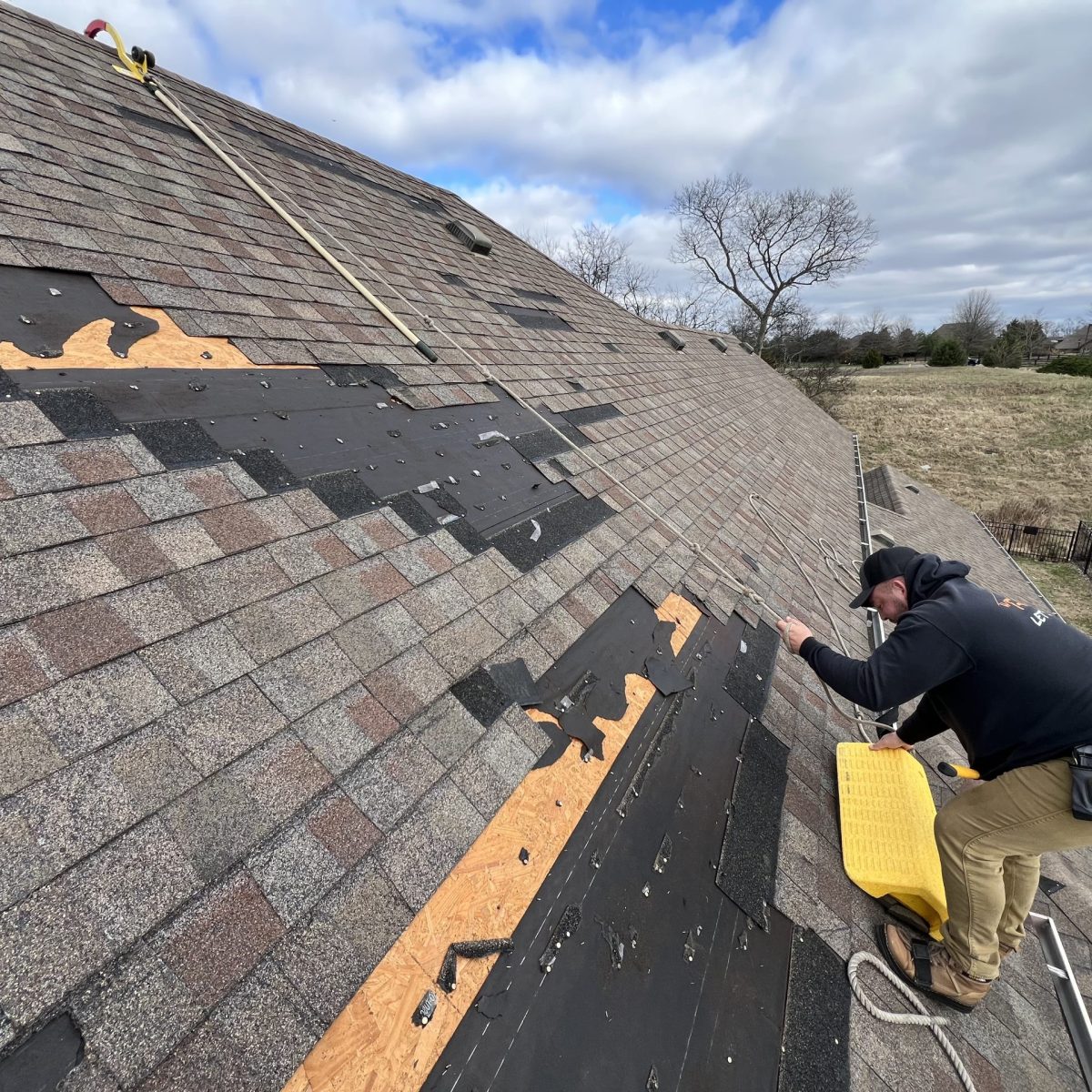
When severe thunderstorms, tropical storms, or hurricanes damage a residential roof, homeowners may need to make important decisions before permanent repairs can begin. Missing shingles, damaged roof tiles, exposed decking, and water intrusion can create additional problems when further rainfall is expected. Knowing how to document visible damage, protect vulnerable areas, and arrange a professional assessment can help reduce unnecessary risks and clarify the next steps.
For homeowners in Wesley Chapel communities such as New River Lakes, Saddlebrook, and neighborhoods near State Road 54, storm recovery often begins with identifying immediate safety concerns and understanding the condition of the roofing system. The following steps explain how homeowners can respond to suspected roof damage while preparing for appropriate repairs.
Stay Safe and Avoid Damaged Roof Areas
After severe weather, homeowners should avoid climbing onto damaged roofs or approaching areas affected by fallen trees, loose electrical lines, or unstable roofing materials. Roof damage may be more extensive than it appears from the ground, and wet surfaces can create serious fall hazards. When structural damage or active electrical hazards are suspected, staying clear of the affected area and contacting the appropriate emergency professionals should take priority.
Document Visible Storm Damage
Photographs of missing shingles, broken roof tiles, fallen branches, ceiling stains, and other visible damage can help homeowners maintain a record of storm-related conditions. Photos should be taken from safe locations, without climbing onto the roof. Recording when the damage was discovered, keeping repair estimates, and saving relevant receipts may also be helpful when discussing the situation with a roofing professional or insurance provider.
Arrange Temporary Roof Protection
When storm damage leaves roofing materials exposed, temporary protective measures may help reduce additional water intrusion while permanent repairs are being planned. Depending on the condition of the roof, a qualified professional may recommend temporary roof tarping or other appropriate coverings. These measures are not substitutes for permanent repairs, but they can provide short-term protection when installed safely and securely.
Schedule a Professional Roof Inspection
A professional roof inspection can help identify damage that may not be visible from the ground, including compromised flashing, displaced roofing materials, damaged underlayment, and possible moisture intrusion. The assessment should consider the roof’s age, material type, and overall condition. Understanding which components were affected can help homeowners distinguish minor repair needs from more extensive storm-related roofing problems.
Review Insurance Coverage and Documentation
Homeowners considering an insurance claim should review their policy, applicable deductibles, reporting requirements, and any deadlines for notifying their insurer. Inspection photographs, written damage descriptions, and repair estimates may help support communication with the insurance company. Coverage and claim outcomes depend on policy terms and the circumstances of the loss, so homeowners should avoid assuming that all storm-related roof damage will be covered.
Plan Appropriate Roof Repairs
Once the extent of storm damage is understood, homeowners can evaluate the appropriate repair approach. Localized problems may involve replacing damaged shingles or tiles, repairing flashing, or restoring affected waterproofing materials. More extensive deterioration may require larger repairs or roof replacement. The final decision should account for the roofing system’s condition, repair feasibility, applicable building requirements, and long-term weather protection.
Storm and Hurricane Roof Damage Throughout Wesley Chapel, FL
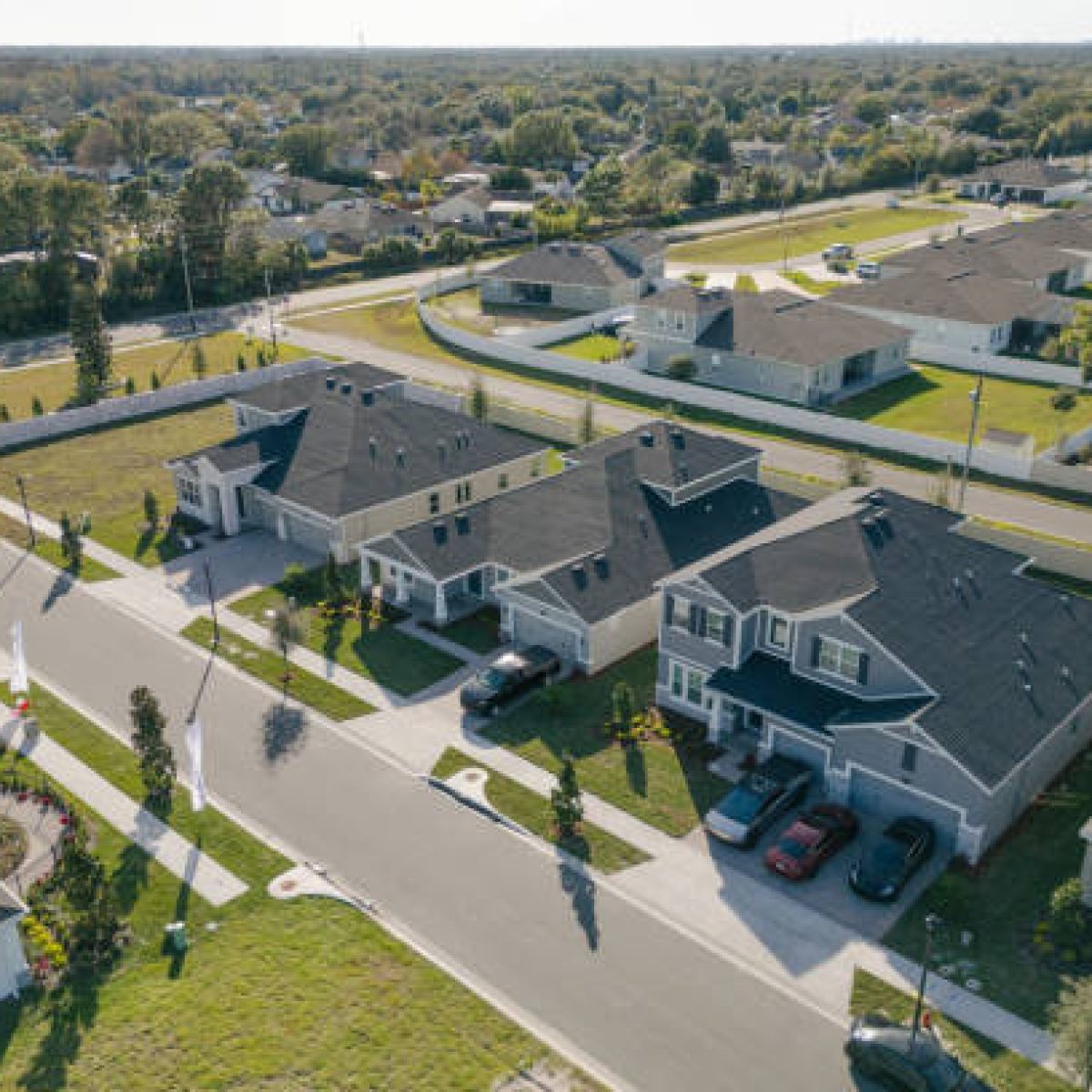
Severe thunderstorms, tropical weather systems, and hurricane-related wind events can affect residential roofs throughout Wesley Chapel, FL. Heavy rainfall, sudden wind gusts, and flying debris may damage asphalt shingles, displace concrete or clay tiles, and weaken flashing around vulnerable roof penetrations. Even when the roof appears intact from the ground, moisture intrusion or damage to underlying roofing materials may become apparent during subsequent rainfall.
From established neighborhoods such as Chapel Pines and Lexington Oaks to growing communities near Avalon Park West and the State Road 54 corridor, homeowners may encounter different roofing concerns depending on the age, materials, and condition of their roofs. Properties near Interstate 75 and the Bruce B. Downs Boulevard corridor can also experience the same regional severe-weather conditions that affect the wider Wesley Chapel area. The appropriate response depends on the actual damage rather than the neighborhood or location alone.
Following a major storm, documenting visible damage and arranging an appropriate roof assessment can help homeowners determine whether localized repairs, temporary protection, or more extensive restoration may be necessary. When storm damage creates exposed roofing materials or active water intrusion, professional emergency roofing assistance may help reduce additional damage while permanent repairs are evaluated.
Frequently Asked Questions About Storm & Hurricane Roof Damage in Wesley Chapel, FL
Severe thunderstorms, tropical storms, and hurricanes can leave Wesley Chapel homeowners with questions about missing shingles, damaged roof tiles, hidden wind damage, insurance coverage, and whether repairs or roof replacement may be necessary. Understanding the warning signs of storm-related roofing problems, available repair options, and the importance of documenting damage can help homeowners make informed decisions. Below are answers to frequently asked questions about storm and hurricane roof damage in Wesley Chapel, FL.
How can I tell if my roof has storm or hurricane damage?
Common signs of storm-related roof damage include missing or lifted shingles, cracked or displaced roof tiles, damaged flashing, loose ridge caps, and fallen branches resting on roofing materials. Homeowners may also notice shingle fragments around their property, ceiling stains, damp attic insulation, or new leaks during rainfall.
Not all storm damage is visible from the ground. Strong winds can weaken roofing attachments or compromise protective layers without completely removing shingles or tiles. If severe weather has affected your property, a professional roof inspection can help determine whether damage is present and which components require attention.
Should I have my roof inspected after a severe storm in Wesley Chapel?
A roof inspection may be appropriate after a severe thunderstorm, tropical storm, or hurricane, particularly when strong winds, falling debris, or heavy rainfall have affected the property. Missing roofing materials, visible impact damage, or unexpected interior moisture are important reasons to arrange an assessment.
A professional inspection can evaluate shingles, tiles, flashing, roof penetrations, valleys, and other vulnerable components. It may also identify damage that is difficult to recognize from the ground. Homeowners should avoid climbing onto a wet or damaged roof to perform their own inspection.
Can storm-damaged shingles or roof tiles be repaired without replacing the entire roof?
Yes. Some storm-related roofing problems can be resolved through localized repairs when damage is limited and the surrounding roofing system remains in suitable condition. Individual shingles, roof tiles, flashing components, or other affected materials may be repairable or replaceable without requiring a complete roof replacement.
However, widespread wind damage, compromised underlayment, deteriorated decking, or extensive material failure may require a larger repair project. The roof’s age, material availability, installation requirements, and overall condition also influence whether targeted repairs are practical.
How much does storm damage roof repair cost in Wesley Chapel, FL?
Storm damage roof repair costs in Wesley Chapel vary depending on the roofing material, accessibility, extent of damage, and whether underlying components require replacement. Repairing a small area of missing shingles or damaged flashing may be less expensive than restoring multiple sections of a tile roof or repairing compromised roof decking.
Temporary protection, labor requirements, material availability, and applicable building requirements can also affect the final price. Because storm-related damage may extend beyond what is visible, an inspection and written estimate are generally the best ways to understand the likely repair costs for a particular property.
Does homeowners insurance cover hurricane or wind damage to a roof in Florida?
Homeowners insurance may cover certain types of sudden roof damage caused by windstorms or hurricanes, depending on the policy, exclusions, deductibles, and circumstances of the loss. Florida homeowners may have a separate hurricane deductible that differs from their standard deductible.
Coverage is not automatic, and damage related to aging, deterioration, or inadequate maintenance may be treated differently from sudden storm damage. Homeowners should review their policy, document visible damage, keep relevant receipts, and contact their insurance provider to understand reporting requirements and available coverage. A roofing inspection can help describe the physical condition of the roof, but the insurer determines coverage under the policy.
What should I do if my roof starts leaking after a hurricane or severe storm?
If water begins entering your home after severe weather, prioritize safety and avoid areas affected by electrical hazards, unstable ceilings, or structural damage. If it is safe to do so, move belongings away from the affected area and use containers to limit interior water damage.
Do not climb onto the roof during or immediately after a storm. Once conditions are safe, a qualified roofing professional can assess the damage and determine whether temporary roof protection is necessary before permanent repairs. Identifying the actual source of the leak is important because water may travel through the roofing system before appearing inside the home.
How soon should storm-damaged roofing materials be repaired?
Storm-damaged roofing materials should be evaluated promptly, particularly when missing shingles, displaced tiles, exposed underlayment, or active leaks leave the home vulnerable to additional rainfall. Delaying repairs can allow moisture to affect insulation, ceilings, roof decking, and other components.
The appropriate timeline depends on the severity of the damage, weather conditions, safety considerations, and contractor availability. When immediate permanent repairs are not possible, professionally installed temporary protection may help reduce additional exposure until the necessary work can be completed.
Can hurricane-force winds damage a roof without removing shingles or tiles?
Yes. Strong winds can damage roofing systems even when shingles or tiles remain in place. Asphalt shingles may experience weakened adhesive seals, lifted edges, or damage to fastening points. Tile roofing systems may develop loosened attachments, cracked components, or problems involving the underlayment beneath the tiles.
Wind-driven rain can also expose weaknesses around flashing, vents, and roof penetrations. Because some damage is concealed, a professional assessment may be necessary to determine whether the roofing system remains properly secured and weather-resistant.
What documentation should I keep after hurricane roof damage?
Homeowners should consider keeping photographs of visible roof damage, interior water stains, fallen debris, and affected building materials. Written notes describing when the damage was discovered, inspection findings, contractor estimates, and receipts for temporary protective measures may also be useful.
Documentation should be collected from safe locations without climbing onto damaged roofing surfaces. If an insurance claim is being considered, homeowners should review their insurer’s reporting procedures and preserve relevant records. Requirements and claim deadlines depend on the insurance policy and applicable circumstances.
Is temporary roof tarping necessary after storm or hurricane damage?
Temporary roof tarping may be appropriate when a storm leaves roofing materials missing, roof decking exposed, or openings that could allow additional rainwater into the home. A properly installed protective covering can help limit moisture exposure while inspections, insurance communication, or permanent repairs are arranged.
Not every damaged roof requires tarping, and temporary coverings do not restore the roof’s permanent waterproofing system. A qualified professional should evaluate whether tarping or another protective measure is suitable. Homeowners should avoid attempting roof tarping themselves when conditions are unsafe.