Metal Roofing in Wesley Chapel, FL
Metal roofing offers Wesley Chapel, FL homeowners a durable roofing option designed to handle prolonged sun exposure, heavy seasonal rainfall, and Florida’s demanding weather conditions. From standing seam metal panels to metal shingles and other residential metal roofing systems, the right materials and installation methods can provide long-term protection while complementing a home’s architectural style.
Homeowners throughout Wesley Chapel, including communities such as Seven Oaks and WaterGrass and residential areas near State Road 54, may consider metal roofing when replacing an aging roof, upgrading from asphalt shingles, or evaluating materials for a new roofing project. Understanding metal roof installation, repair requirements, weather resistance, and long-term maintenance can help homeowners determine whether a metal roofing system is appropriate for their property.
Understanding Residential Metal Roofing Systems in Wesley Chapel, FL
Types of Metal Roofing Systems for Homes in Wesley Chapel, FL
Metal roofing is available in several panel styles, material types, and architectural designs, allowing Wesley Chapel homeowners to select a system that complements their property while addressing Florida’s demanding weather conditions. Standing seam panels, exposed-fastener systems, metal shingles, and stone-coated steel products offer different combinations of appearance, installation requirements, maintenance needs, and long-term performance. The underlying metal, protective finish, roof slope, and fastening method also influence how a roofing system handles heavy rainfall, prolonged sun exposure, and strong winds. Understanding these differences can help homeowners compare available options before planning a metal roof installation or replacement.
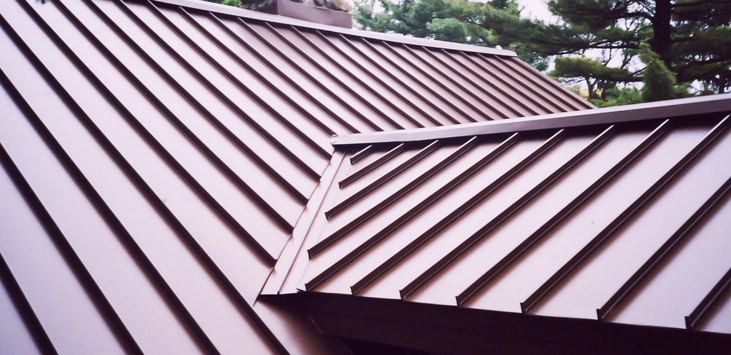
Standing Seam Metal Roofing
Standing seam metal roofing is a popular residential option featuring long metal panels connected by raised seams that help direct rainwater away from the roof surface. Many standing seam systems use concealed clips or fastening methods that reduce the number of exposed fastener penetrations. This design can provide a clean, modern appearance while accommodating temperature-related movement when properly engineered and installed.
For homeowners in Wesley Chapel communities such as Epperson and Chapel Pines, standing seam metal roofing may be considered for roof replacement projects, new construction, or upgrades from traditional asphalt shingles. Panel profile, metal thickness, protective coatings, roof pitch, and manufacturer-approved fastening details all influence performance. Proper installation around valleys, roof edges, and penetrations remains essential for long-term weather protection.
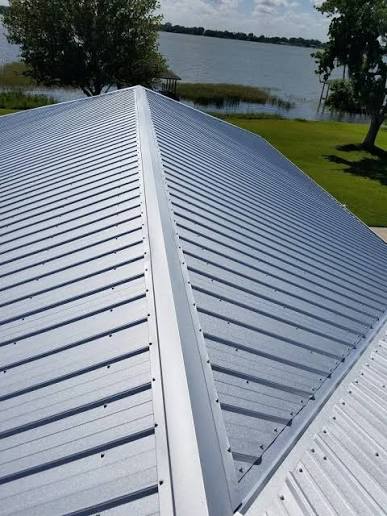
Exposed-Fastener Metal Roofing
Exposed-fastener metal roofing uses overlapping metal panels secured with visible screws and sealing washers. Common profiles include ribbed and corrugated panels, although product designs and approved applications vary. These systems may have lower initial material and installation costs than certain concealed-fastener options, making them worth comparing for suitable residential roofs and accessory structures.
Because fasteners remain exposed to sunlight, rainfall, and temperature changes, periodic inspection is particularly important. Aging washers, loose screws, deteriorated sealants, and improper fastener placement can create opportunities for moisture intrusion. Homeowners considering exposed-fastener roofing should evaluate the manufacturer’s approved roof slopes, fastening requirements, maintenance expectations, and suitability for Florida wind conditions before choosing a system.
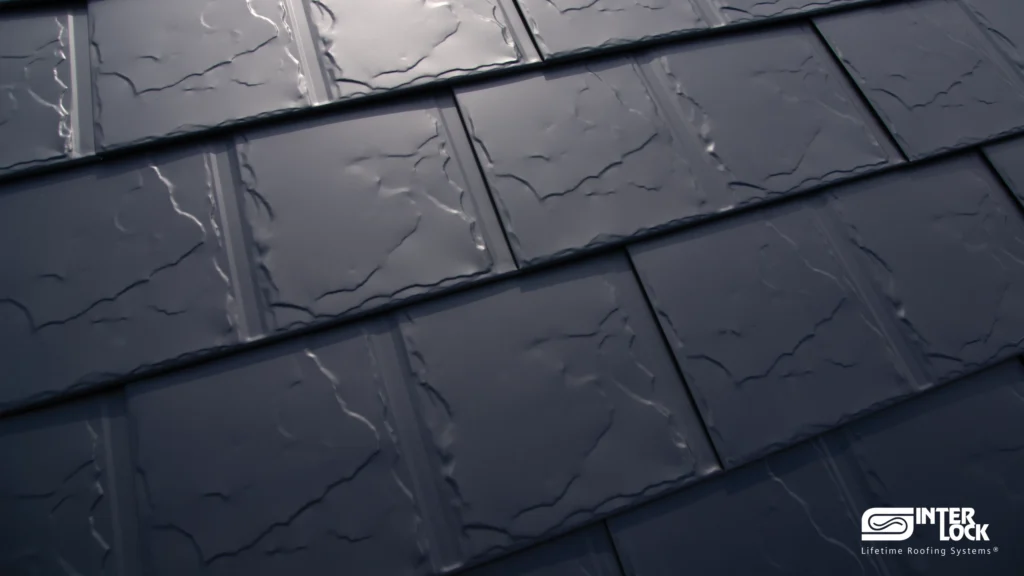
Metal Shingle Roofing
Metal shingle roofing combines the appearance of traditional roofing materials with the characteristics of a metal roof covering. Depending on the manufacturer, individual metal shingles may resemble asphalt shingles, slate, wood shakes, or other architectural styles. Many products use interlocking edges and concealed attachment systems, although installation methods vary by design.
Metal shingles may appeal to homeowners who want the potential longevity and weather resistance of metal roofing without the appearance of long standing seam panels. Properties near Avalon Park West and the State Road 56 corridor may have different architectural styles and roof configurations that influence material selection. Roof slope, product approvals, underlayment compatibility, and installation details should all be reviewed before selecting a metal shingle system.
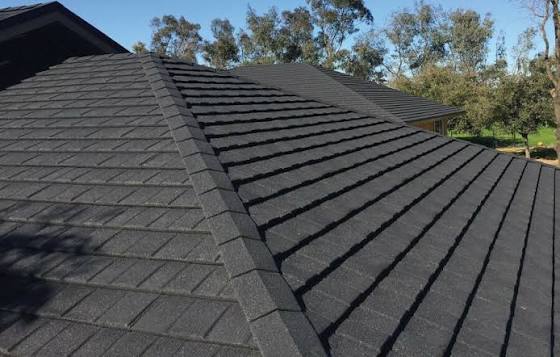
Stone-Coated Steel Roofing
Stone-coated steel roofing uses formed steel panels or tiles with a protective finish and a textured stone-granule surface. These products can resemble traditional clay tiles, wood shakes, or architectural shingles while retaining the relatively lightweight characteristics of a metal roofing system. Available profiles and fastening methods vary by manufacturer.
For Wesley Chapel homeowners who prefer a more traditional roof appearance, stone-coated steel may offer an alternative to conventional tile or shingle roofing. Long-term performance depends on the quality of the underlying steel, corrosion protection, surface coating, installation details, and product suitability for local weather conditions. Proper attention to roof edges, valleys, flashing, and approved fastening systems is particularly important during installation.
Aluminum Metal Roofing
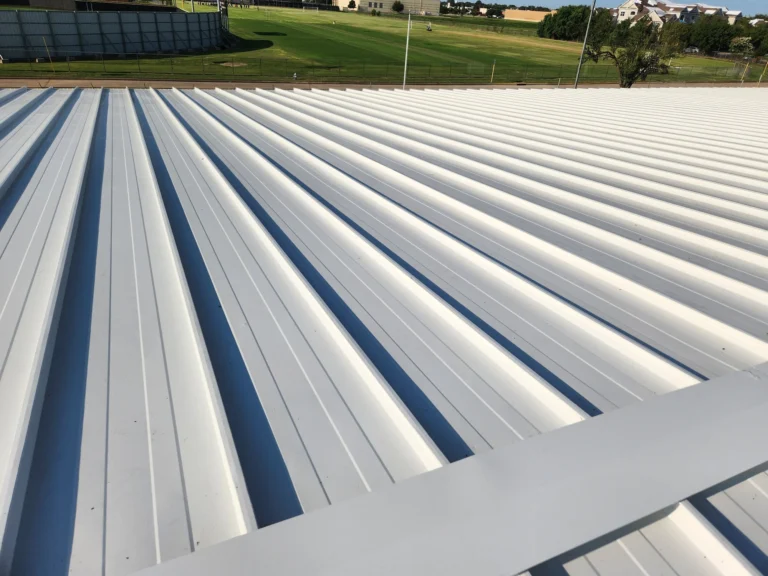
Aluminum roofing is a lightweight, corrosion-resistant metal option available in certain standing seam panels, shingles, and other roofing profiles. Unlike steel, aluminum does not develop iron-based rust, although protective finishes and proper material compatibility remain important for long-term appearance and performance.
Aluminum roofing can be considered for Florida homes where corrosion resistance and reduced roof covering weight are important factors. However, aluminum and steel differ in strength, expansion characteristics, cost, and resistance to denting. Homeowners near the Bruce B. Downs Boulevard corridor and other parts of Wesley Chapel should compare specific products rather than assume one metal performs better in every situation. Roof design, fastening methods, protective finishes, and manufacturer approvals remain essential considerations.
Galvanized and Aluminum-Zinc Coated Steel Roofing
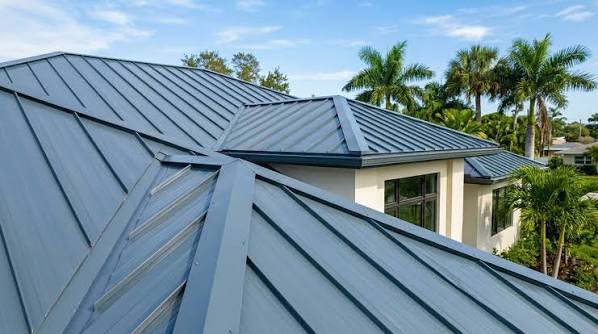
Steel is widely used in residential metal roofing because it can be manufactured into standing seam panels, exposed-fastener systems, and specialty roofing profiles. To help protect against corrosion, steel roofing products commonly use metallic coatings such as zinc-based galvanizing or aluminum-zinc alloy coatings, often combined with factory-applied paint finishes.
The type and thickness of the protective coating, steel gauge, panel profile, and installation environment can influence long-term durability. Homeowners in Wesley Chapel should evaluate product specifications, warranty limitations, approved fastening methods, and compatibility with surrounding roofing components. Properly selected and installed coated steel roofing can provide a durable option, but exposed cut edges, damaged finishes, and incompatible metals may increase corrosion risks over time.
Benefits of Metal Roofing for Homes in Wesley Chapel, FL
Metal roofing offers several potential advantages for homeowners in Wesley Chapel, FL, including long-term durability, weather resistance, energy-efficient finishes, and a variety of architectural styles. Unlike traditional roofing materials that may require more frequent replacement, properly selected and installed metal roofing systems can provide extended service life while protecting against Florida’s intense sunshine, seasonal thunderstorms, and heavy rainfall. However, actual performance depends on the roofing material, protective coatings, installation quality, and ongoing maintenance. Understanding these benefits can help homeowners compare metal roofing with asphalt shingles and tile roofing before making a long-term investment.
Long-Term Durability and Weather Resistance
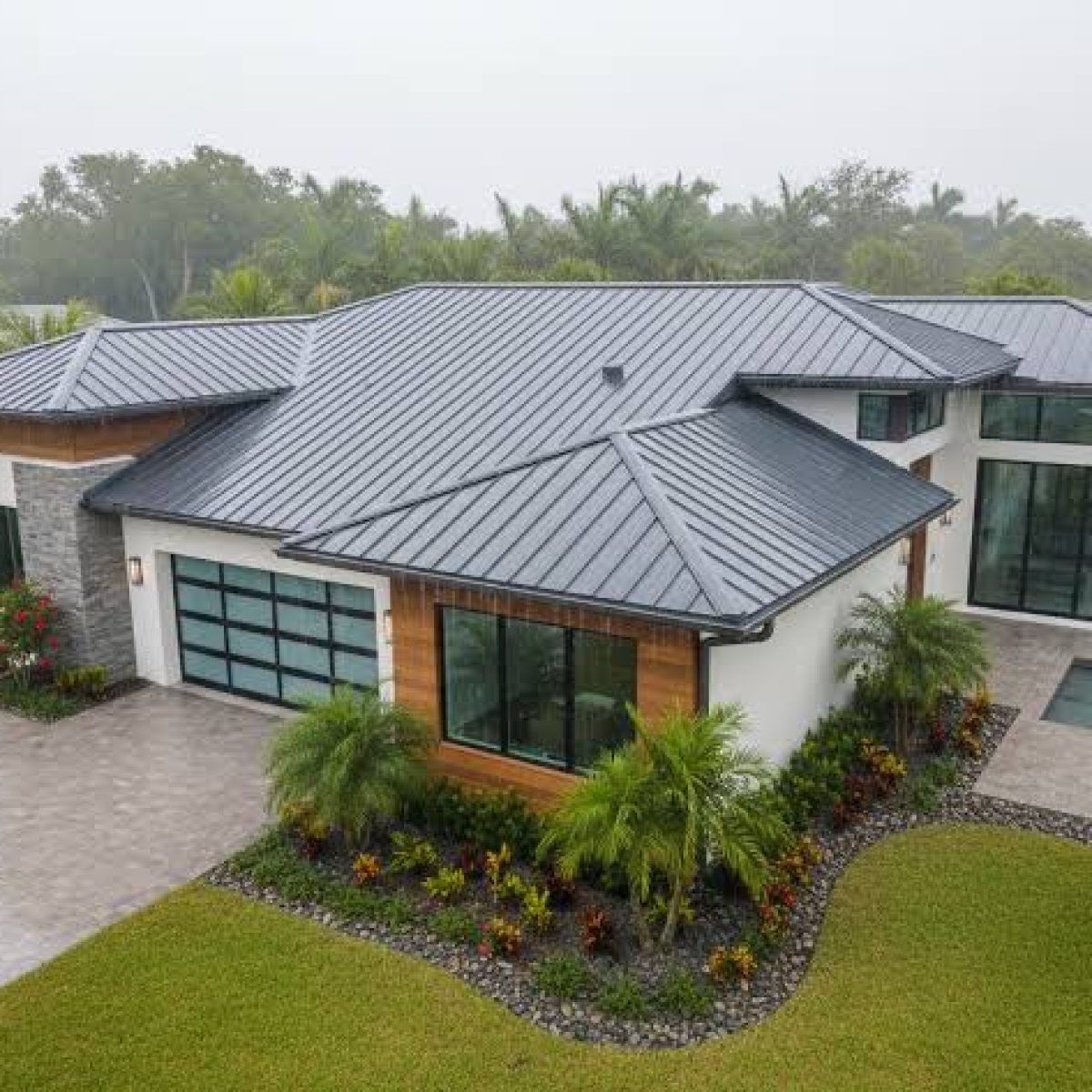
One of the primary reasons homeowners consider metal roofing is its potential for extended service life when compared with certain traditional roofing materials. Depending on the metal type, protective finish, environmental conditions, and quality of installation, a residential metal roof may provide decades of reliable protection. Steel and aluminum roofing systems are manufactured in a variety of panel profiles and coatings designed to resist weather-related deterioration, although periodic inspection and maintenance remain important.
Wesley Chapel homes experience prolonged ultraviolet exposure, heavy seasonal rainfall, high humidity, and occasional severe wind events. In established residential communities such as Quail Hollow and areas near Wesley Chapel Boulevard, metal roofing may be considered when an aging roof requires replacement or homeowners want to evaluate longer-lasting material options. Properly designed panel attachments, roof edges, flashing, and underlayment help protect against wind-driven rain and moisture intrusion.
Metal roofing is not automatically hurricane-proof. Wind performance depends on the specific roofing system, tested product approvals, roof geometry, fastening methods, and compliance with applicable Florida building requirements. A professional assessment can help determine whether a particular metal roofing product is suitable for the home’s structure, roof slope, and exposure conditions.
A properly selected and installed metal roofing system can provide long-term weather protection, but performance depends on the complete roof assembly rather than the metal panels alone.
Energy Efficiency and Long-Term Value of Metal Roofing
Metal roofing can contribute to a home’s energy performance when selected with appropriate reflective finishes and installed as part of a properly designed roofing system. Certain factory-applied coatings reflect a portion of the sun’s energy, potentially reducing heat absorbed by the roof surface. In Florida’s warm climate, solar reflectivity, attic ventilation, insulation, and roof assembly design can all influence indoor comfort and cooling demands.
For homeowners near Meadow Pointe Boulevard and the State Road 56 corridor, evaluating reflective metal roof colors and finishes may be particularly relevant when replacing an older roofing system. However, energy savings vary based on the home’s existing insulation, roof configuration, air-conditioning efficiency, and the specific roofing product selected. A lighter-colored roof does not guarantee a particular reduction in electricity costs.
Although metal roofing often requires a higher initial investment than basic asphalt shingle systems, its potential service life and maintenance characteristics may provide value over time. Homeowners should compare installation costs, expected maintenance, product warranties, repair requirements, and the likelihood of future replacement rather than evaluating upfront pricing alone. Proper installation and periodic inspections remain important for protecting the investment.
Reflective metal roof finishes may help reduce solar heat absorption, while long-term value depends on installation costs, maintenance, durability, and the home's overall roofing design.
Lightweight Construction & Architectural Versatility
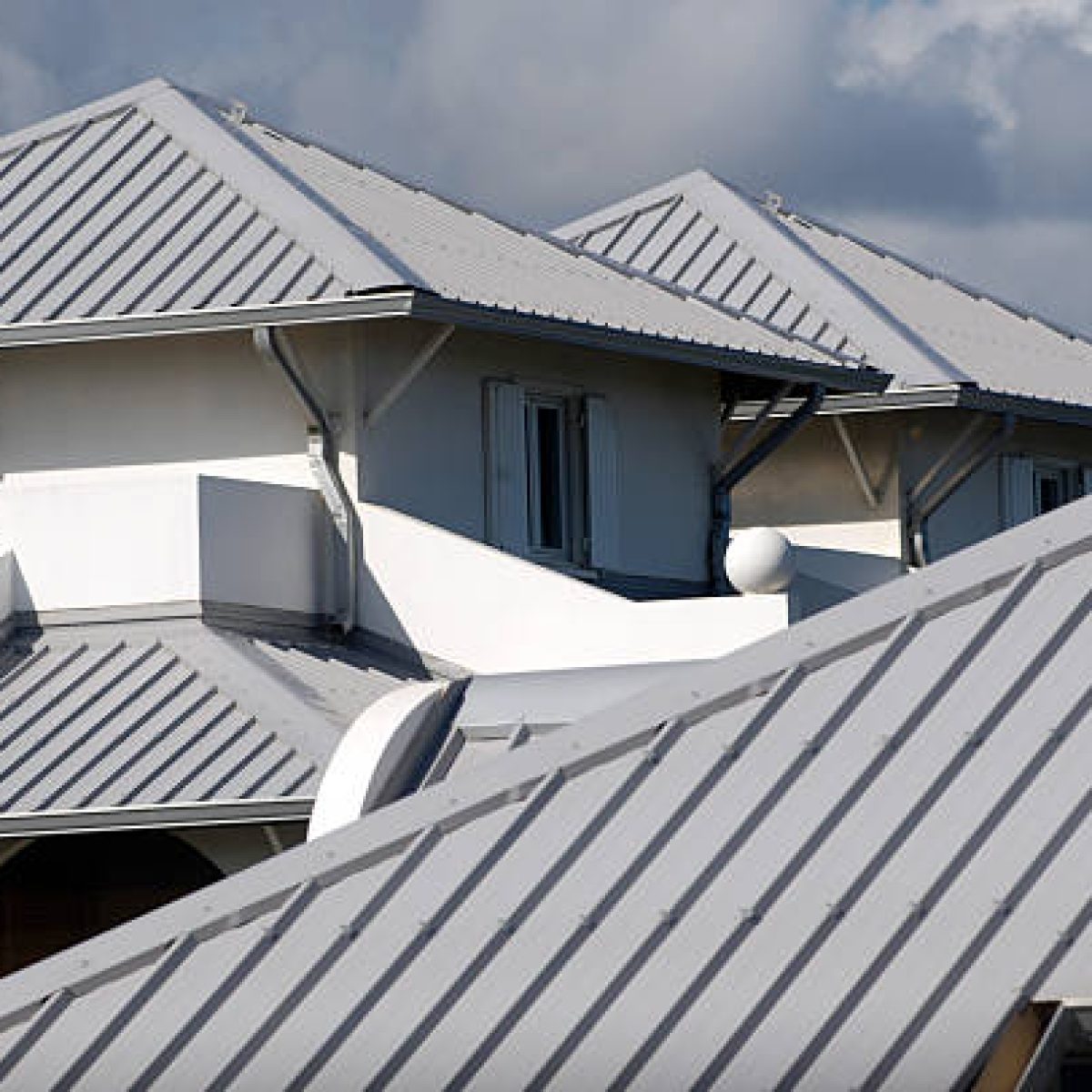
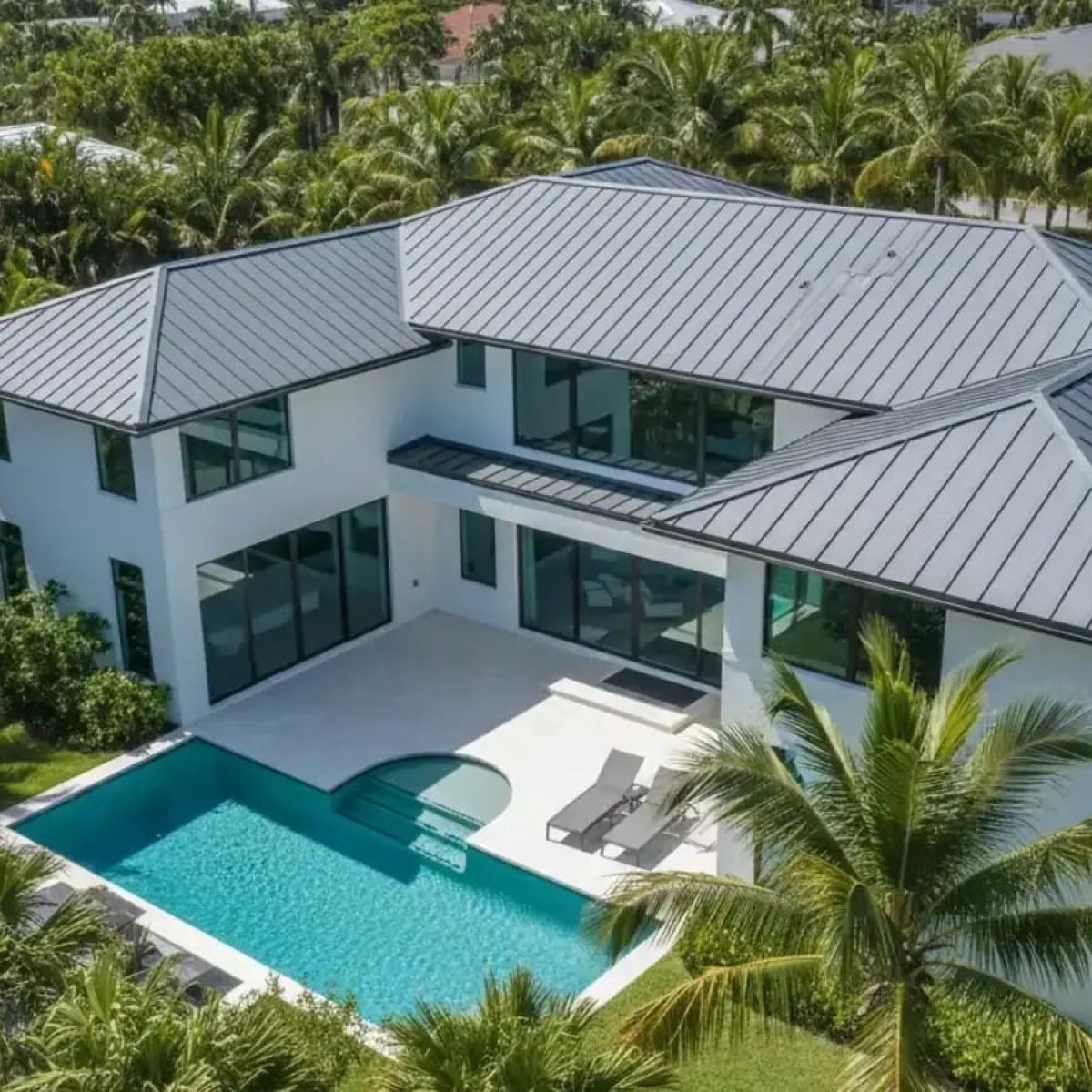
Metal roofing offers homeowners a relatively lightweight roofing option compared with many traditional concrete and clay tile systems. Depending on the product, metal roofing panels and shingles can place less dead load on the underlying roof structure while providing a range of architectural finishes. However, roof decking, structural capacity, wind uplift requirements, and installation methods must still be evaluated before selecting a new roofing material.
For homeowners in established Wesley Chapel neighborhoods such as Fox Ridge and residential areas near Old Pasco Road, metal roofing may be considered when upgrading an aging roof or evaluating alternatives to heavier roofing materials. Standing seam panels provide a streamlined appearance, while metal shingles and stone-coated steel products can resemble traditional shingles, slate, or tile. Available profiles, colors, and protective finishes allow homeowners to compare options that complement different residential architectural styles.
Metal roofing can also accommodate various roof configurations when the selected system meets manufacturer requirements for roof pitch, fastening, drainage, and installation. Homeowners should consider applicable homeowners association restrictions, product approvals, and the overall roof design before making a decision. A professional assessment can help determine whether the chosen metal roofing system is compatible with the existing structure and suitable for the property’s long-term roofing needs.
Metal roofing combines relatively lightweight construction with a variety of panel profiles, colors, and architectural styles, provided the selected system is suitable for the home's roof design.
Low Maintenance & Long-Term Roofing Value
One potential advantage of residential metal roofing is its ability to provide long-term service with appropriate maintenance and periodic inspections. Many metal roofing systems use protective coatings, corrosion-resistant materials, and engineered panel connections designed to withstand routine environmental exposure. However, metal roofs are not maintenance-free, and their condition should be evaluated periodically for loose fasteners, deteriorated sealants, damaged flashing, coating wear, and debris accumulation around roof valleys or drainage areas.
Homes throughout Wesley Chapel, including communities near New River Lakes and the State Road 54 corridor, experience seasonal thunderstorms, prolonged sunshine, humidity, and occasional severe wind events. These conditions can affect roofing components over time, making preventative maintenance important regardless of the selected metal roofing material. Standing seam systems may require different inspection and maintenance procedures than exposed-fastener panels, particularly where sealing washers and visible attachment points are involved.
Although metal roofing may involve higher upfront installation costs than certain asphalt shingle systems, homeowners should evaluate the total cost of ownership rather than initial pricing alone. Expected service life, protective finish warranties, future repair requirements, and the potential need for replacement all influence long-term value. A properly selected and installed metal roofing system may reduce the frequency of major roofing projects, but actual performance depends on the product, installation quality, environmental exposure, and ongoing maintenance.
Metal roofing can provide long-term value through durable materials and potentially fewer major replacements, but periodic inspections and appropriate maintenance remain essential.
Metal Roof Installation & Florida Building Requirements
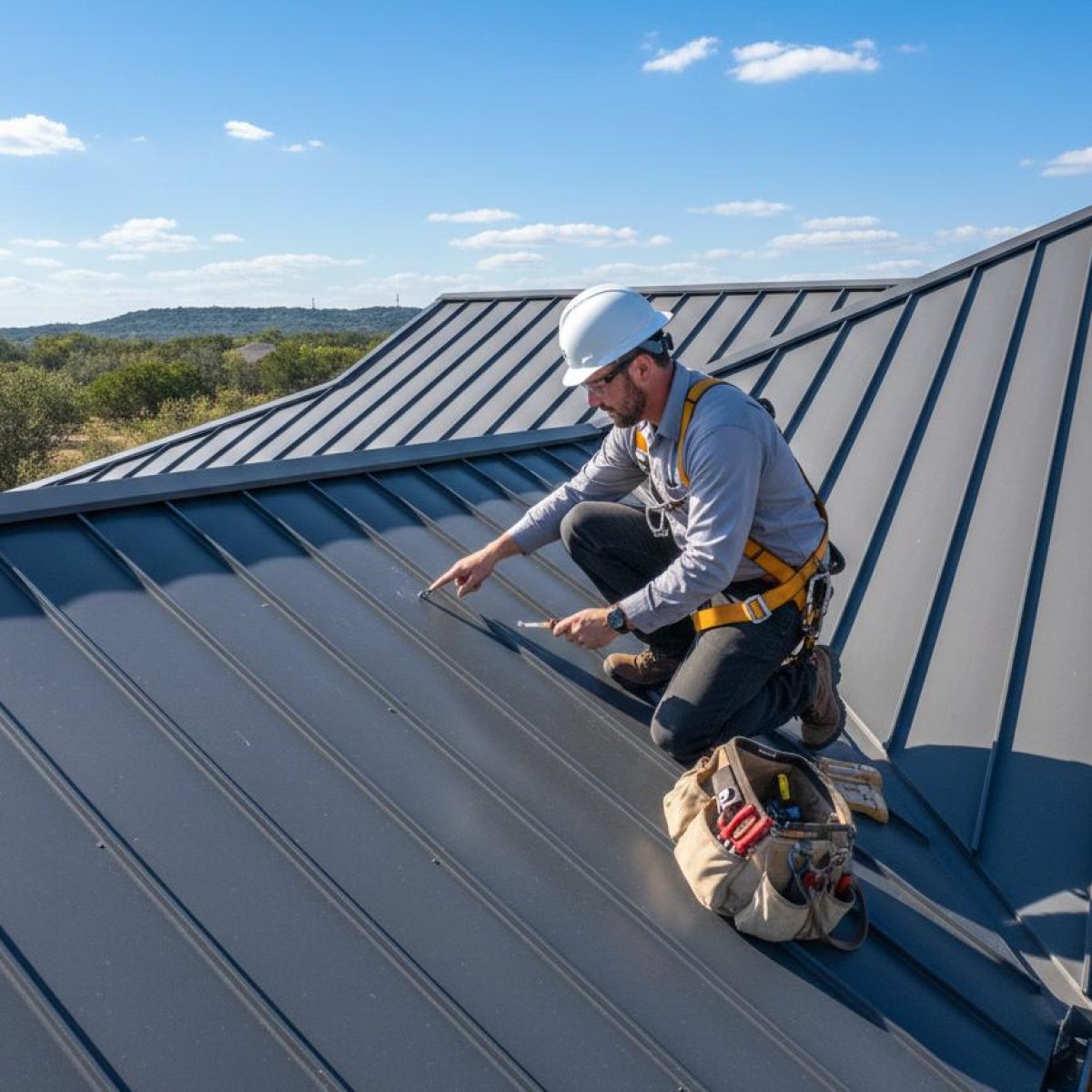
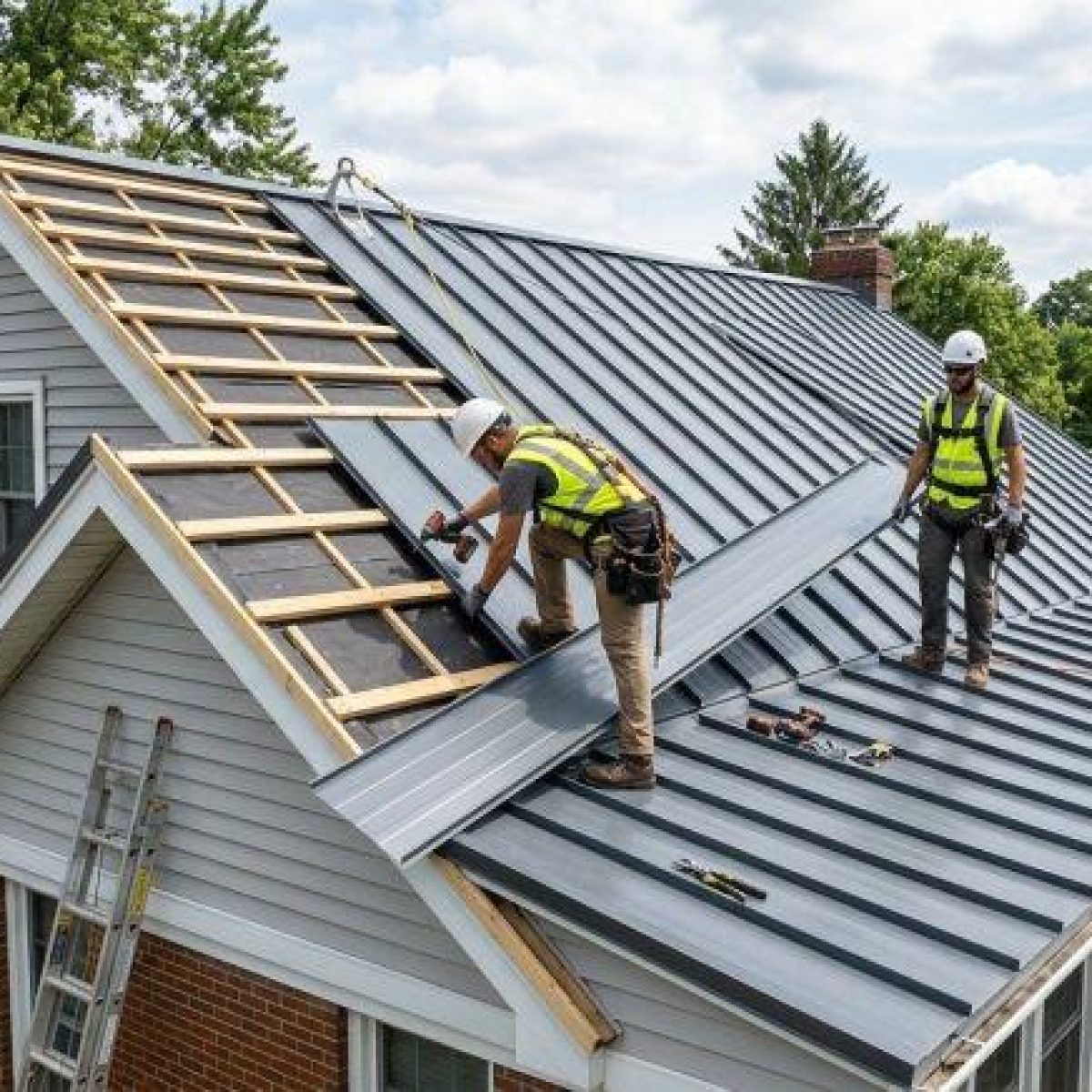
Installing a residential metal roof requires careful consideration of the home’s existing roof structure, roof slope, decking condition, underlayment, and fastening requirements. Unlike traditional asphalt shingles, metal roofing systems may use concealed clips, mechanically joined seams, exposed fasteners, or interlocking panels depending on the selected product. Proper installation around roof penetrations, valleys, ridges, and roof edges is essential for reducing moisture intrusion and maintaining the roofing system’s intended performance.
For homeowners in Wesley Chapel communities such as Union Park and residential areas near Curley Road, metal roof installation projects should be evaluated against applicable Florida Building Code requirements and local permitting procedures. Roofing materials and installation methods must be appropriate for the property’s wind exposure, roof design, and approved product specifications. Certain projects may also require homeowners association approval before installation begins.
Metal roofing may offer favorable durability characteristics, but homeowners should not assume that installing a metal roof automatically reduces insurance premiums or guarantees coverage. Insurance considerations depend on the carrier, policy, roof condition, documentation, and other underwriting factors. A professional roof assessment and review of applicable product approvals can help homeowners make informed decisions about installation requirements and long-term protection.
A successful metal roof installation depends on approved materials, appropriate fastening methods, proper waterproofing details, and compliance with applicable Florida building requirements.
Metal Roof Curb Appeal & Long-Term Property Value
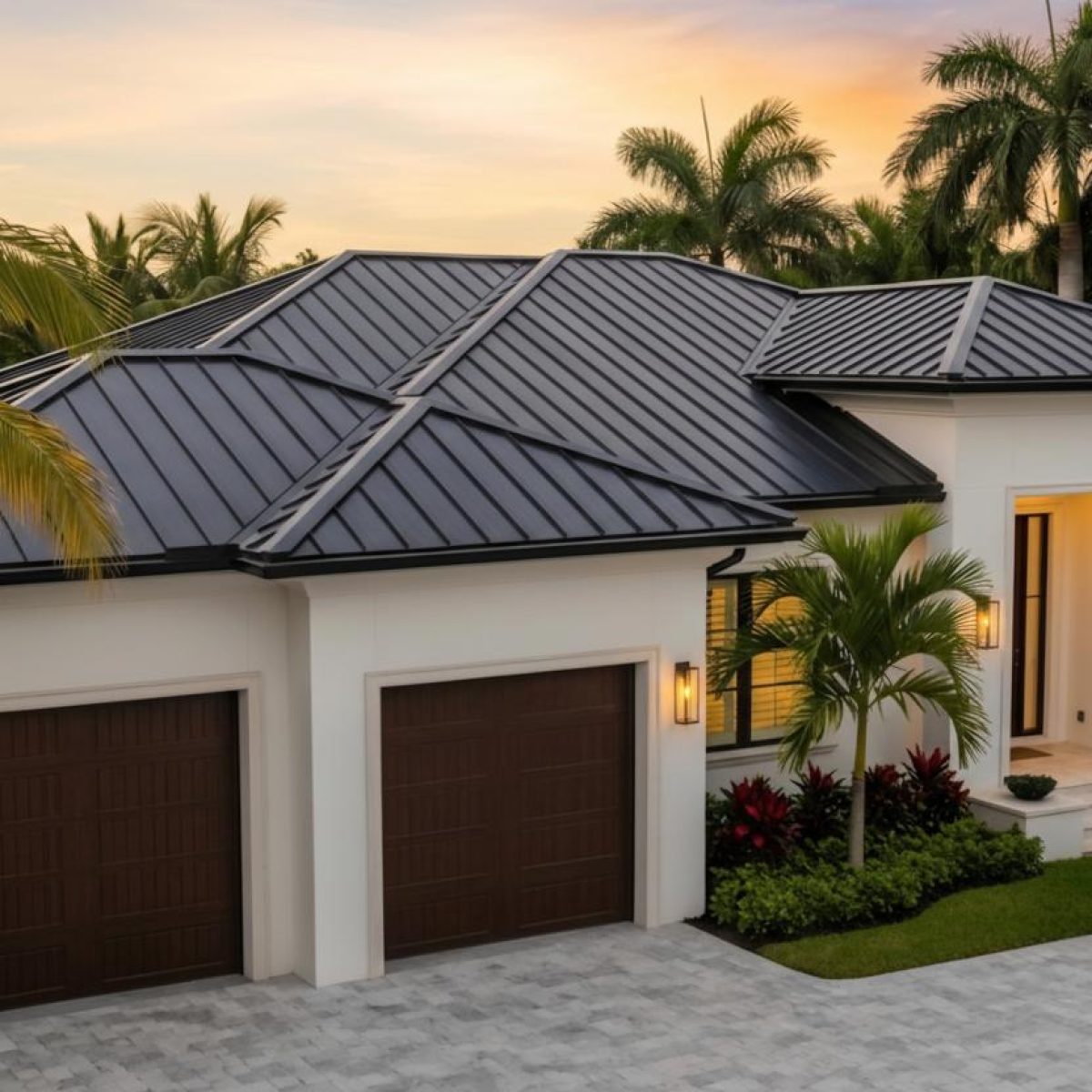
Metal roofing offers homeowners an opportunity to update their property’s exterior appearance while selecting a roofing system designed for long-term weather protection. Modern metal roofing products are available in a variety of colors, panel profiles, textures, and protective finishes that can complement traditional Florida homes, contemporary residences, and other architectural styles. Standing seam panels provide a streamlined appearance, while metal shingles and stone-coated steel products can resemble more conventional roofing materials.
Throughout Wesley Chapel, including neighborhoods such as Bridgewater and residential communities near Overpass Road, homeowners may consider metal roofing when planning exterior renovations or replacing an aging roof. Selecting an appropriate color and roofing profile can help coordinate the roof with exterior paint, windows, landscaping, and other architectural features. Protective finishes and proper installation also play an important role in maintaining the roof’s appearance as it ages.
Although an attractive, durable roof may contribute to a property’s marketability, the financial return from metal roofing varies by installation cost, neighborhood expectations, buyer preferences, and the condition of the home. Homeowners should compare material warranties, maintenance requirements, architectural compatibility, and long-term ownership plans rather than assume that a metal roof will produce a specific increase in resale value. The most suitable roofing system should balance appearance, performance, and overall project cost.
A well-selected metal roofing system can enhance a home's architectural appearance while providing durable protection, although its contribution to resale value depends on the property and local market.
Common Metal Roof Problems & Warning Signs in Wesley Chapel, FL
Although residential metal roofing systems are designed for durability and long-term weather protection, they can develop problems as materials, fasteners, sealants, and protective coatings age. Homeowners in Wesley Chapel, FL may encounter loose roofing panels, deteriorated fastener washers, damaged flashing, corrosion, or water intrusion following years of exposure to intense sunlight, heavy rainfall, and seasonal thunderstorms. These conditions do not automatically mean an entire metal roof needs replacement, but they can indicate that specific roofing components require professional evaluation. Recognizing common warning signs can help homeowners address developing problems before moisture reaches the underlying roof decking, insulation, or interior living spaces.
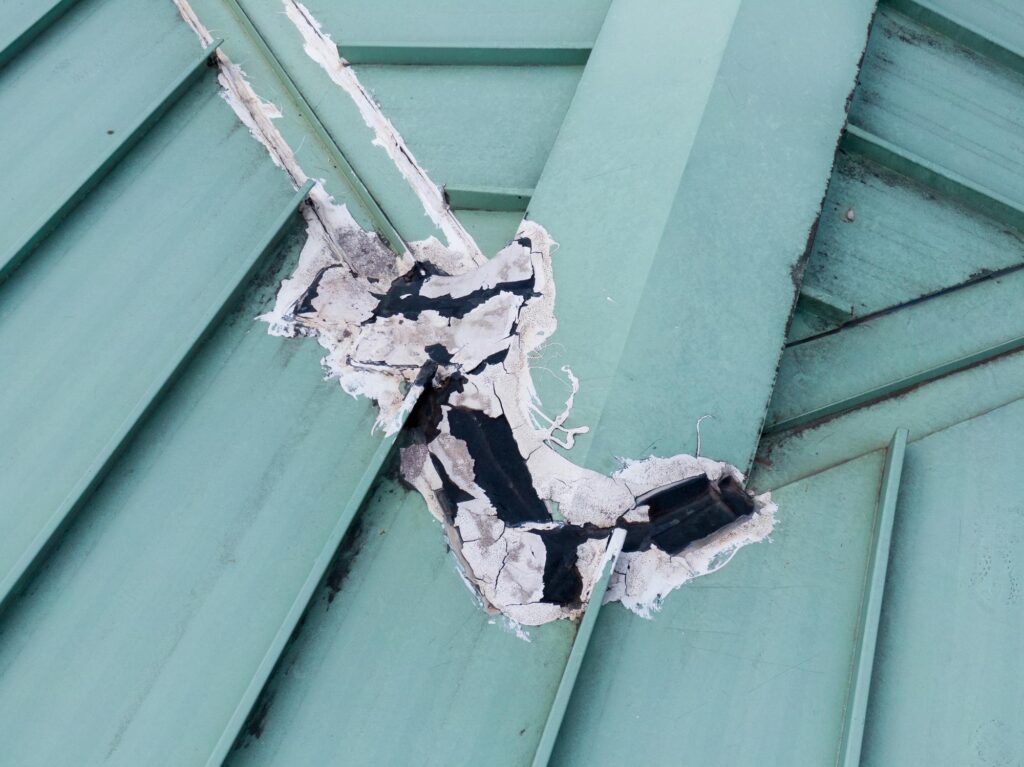
Common Metal Roof Leaks, Fastener Problems & Corrosion
Metal roof leaks can develop when vulnerable connections, fasteners, flashing, or sealants no longer provide dependable protection against moisture intrusion. Exposed-fastener roofing systems may experience deteriorated sealing washers, loose screws, or improperly secured panels over time. Standing seam systems can also develop problems around roof penetrations, transitions, seams, or improperly installed components, even when most fasteners are concealed.
Corrosion is another concern that depends on the roofing material, protective coating, environmental exposure, and compatibility of adjoining metals. Scratched finishes, exposed cut edges, trapped moisture, and certain incompatible metal connections may increase the likelihood of deterioration. Homeowners in Wesley Chapel communities such as Seven Oaks and Northwood should pay attention to visible rust-like staining, loose panels, damaged flashing, or recurring leaks following heavy rainfall.
Not every metal roofing problem requires complete replacement. Localized repairs may be appropriate when damage is limited and the remaining roofing system is in serviceable condition. However, persistent water intrusion, widespread corrosion, or repeated failures across multiple areas may justify a more comprehensive evaluation.
When Should a Metal Roof Be Repaired or Replaced?
Determining whether a metal roof needs repair or replacement depends on the extent of deterioration, condition of the underlying roof assembly, and remaining service life of the installed materials. Individual problems such as loose fasteners, isolated flashing defects, damaged sealants, or limited panel damage may be correctable without removing the entire roofing system.
More extensive concerns can arise when corrosion affects large sections of the roof, multiple panels have become compromised, or recurring leaks indicate deterioration beneath the visible metal covering. Severe wind damage may also affect panel attachments, roof edges, and waterproofing components. Homes near the State Road 54 corridor and established neighborhoods such as Lexington Oaks may have metal roofing systems with different ages, materials, and installation methods, making an individualized assessment important.
A professional roof inspection can help identify whether targeted metal roof repairs remain practical or whether a partial or complete replacement should be considered. Homeowners should compare the condition of the existing system, repair history, installation compatibility, and projected long-term costs before making a final decision.
Concerned About Metal Roof Damage in Wesley Chapel, FL?
Loose metal roofing panels, damaged flashing, deteriorated fasteners, corrosion, and recurring leaks may indicate that a residential metal roof needs professional attention. An appropriate roof inspection can help identify the source of the problem and determine whether localized repairs or more extensive roofing work may be necessary. Homeowners throughout Wesley Chapel can request an evaluation to better understand their metal roof’s condition and available repair or replacement options.
Metal Roof Installation, Repair & Replacement Process in Wesley Chapel, FL
Residential metal roofing projects require careful evaluation of the existing roof structure, appropriate material selection, and installation methods suited to Florida’s climate and building requirements. Whether a Wesley Chapel homeowner is considering a new standing seam roof, repairing damaged metal panels, or replacing an aging roofing system, the process should begin with understanding the roof’s condition, design, and long-term performance needs. Homes throughout Wesley Chapel, including established communities near County Line Road and newer residential developments around the State Road 56 corridor, may have different roof slopes, structural configurations, and existing materials that influence the work required. A structured approach helps homeowners compare repair and replacement options, select suitable metal roofing products, and understand the important stages of installation and inspection.
Metal Roof Inspection & Condition Assessment
A metal roofing project begins with evaluating the existing roof’s condition and identifying problems that may affect repair or replacement decisions. An inspection may include reviewing metal panels, seams, exposed fasteners, flashing, roof penetrations, protective coatings, and visible signs of corrosion or water intrusion. The condition of accessible decking, drainage areas, roof edges, and underlying roofing components may also require attention.
For Wesley Chapel homeowners, seasonal thunderstorms, prolonged sunshine, and heavy rainfall can gradually affect vulnerable roof connections and protective finishes. An appropriate evaluation helps determine whether localized metal roof repairs may be sufficient or whether more extensive work is necessary. Roof slope, structural condition, previous repairs, and the compatibility of existing materials should also be considered before planning a project.
Metal Roofing Project Planning & Material Selection
Once the roof’s condition has been evaluated, the next step is determining the scope of work and selecting compatible materials. For new installations or complete replacements, homeowners may compare standing seam panels, metal shingles, aluminum roofing, and coated steel products based on appearance, durability, maintenance, and cost.
Planning should account for roof dimensions, pitch, structural capacity, approved fastening methods, underlayment, flashing, and drainage. Product specifications and Florida Building Code requirements help determine whether a roofing system is suitable for the property. Homeowners should also review permit procedures, manufacturer warranties, and homeowners association restrictions before work begins. A detailed project plan clarifies material requirements, installation stages, and potential additional work involving damaged decking or roofing components.
Professional Metal Roof Repair or Installation
The installation or repair stage depends on the condition of the existing roof and the selected metal roofing system. Localized repairs may involve correcting damaged flashing, replacing compromised fasteners, repairing compatible panel connections, or addressing isolated roofing components. More extensive projects may require removing existing roof coverings, evaluating exposed decking, and preparing the roof structure for a new metal roofing assembly.
Metal roof installation typically involves appropriate underlayment, flashing, panel alignment, fastening systems, and weather-resistant connections around roof penetrations and transitions. Standing seam systems and exposed-fastener panels have different attachment and sealing requirements, making manufacturer-approved installation methods essential. Work should follow applicable permitting, product approval, and building requirements rather than relying on the roofing material alone for weather protection.
Final Roof Inspection & Long-Term Maintenance
After metal roofing work is completed, the finished system should be reviewed for visible installation defects, proper panel attachment, flashing connections, roof penetrations, and drainage details. Where applicable, required building inspections and project documentation should also be completed. The purpose of the final review is to identify concerns that may affect the roof’s performance before the project is considered finished.
Homeowners should understand the maintenance recommendations associated with their selected metal roofing system. Periodic inspections may help identify loose fasteners, damaged sealants, coating deterioration, corrosion, or debris accumulation before problems become more extensive. Manufacturer guidance, warranty conditions, and the roof’s exposure to Florida weather should inform ongoing maintenance decisions. Proper care can help protect the investment and support the roof’s intended service life.
Planning a Metal Roofing Project in Wesley Chapel, FL?
Whether you’re considering a new metal roof installation, evaluating damaged roofing panels, or deciding between repairs and replacement, understanding the condition of your existing roof is an important first step. A professional roofing evaluation can help identify potential concerns, review suitable metal roofing options, and determine the scope of work appropriate for your Wesley Chapel home.
Metal Roof Insurance, Storm Damage & Inspection Considerations in Wesley Chapel, FL
Metal roofing systems are designed to provide durable protection, but severe thunderstorms, wind-driven rain, falling debris, and tropical weather can still damage metal roof panels, seams, fasteners, flashing, and protective finishes. For homeowners in Wesley Chapel, FL, understanding how storm damage affects a metal roof is important when evaluating repair needs, insurance coverage, and long-term roof performance.
Homes in communities such as Estancia at Wiregrass and Union Park, along with residential properties near the State Road 56 corridor, may have different metal roofing profiles, installation methods, and roof configurations. Following significant weather events, a professional inspection can help identify visible damage, assess vulnerable roofing components, and document conditions that may be relevant when discussing potential coverage with an insurance provider.
Metal Roof Storm Damage & Insurance Coverage
Homeowners insurance may provide coverage for certain types of sudden and accidental metal roof damage caused by severe wind, falling branches, airborne debris, or other covered weather events. However, eligibility depends on the individual policy, applicable deductibles, exclusions, and the circumstances of the loss. Damage associated with gradual deterioration, corrosion, improper maintenance, or pre-existing installation problems may be treated differently.
Metal roofs can experience storm-related problems even when entire panels remain attached. Strong winds may loosen fasteners, damage standing seam connections, lift panel edges, or compromise flashing around roof penetrations. Hail or airborne debris may also cause dents, scratches, or damage to protective coatings. Not every cosmetic dent indicates a loss of weather protection, making a proper evaluation important.
Following a significant storm, homeowners should photograph visible damage from safe locations, review their insurance policy, and follow their insurer’s reporting procedures. A professional metal roof inspection can help identify affected components and determine whether localized repairs or more extensive roofing work may be necessary. Insurance coverage and claim payments are ultimately determined by the insurer under the policy and applicable law.
Documenting metal roof damage after severe weather can help homeowners understand repair needs and maintain useful records for potential insurance claims.
Metal Roof Inspections & Damage Documentation
A professional metal roof inspection helps evaluate the condition of roofing panels, seams, exposed fasteners, protective coatings, flashing, and roof penetrations following severe weather. Depending on the roofing system, an assessment may identify loose screws, deteriorated sealing washers, displaced panels, damaged standing seams, punctures, corrosion, or signs of moisture intrusion.
For homeowners in Wesley Chapel communities such as Northwood and Meadow Pointe, documenting roof conditions can be especially useful when comparing repair options after seasonal thunderstorms or tropical weather. Photographs, inspection findings, written observations, and appropriate repair recommendations can provide a clearer understanding of the affected roofing components.
When concealed damage is suspected, additional evaluation may be necessary to determine whether underlayment, roof decking, or other underlying materials have been affected. Maintaining organized inspection records can help homeowners discuss observed conditions with their insurance provider while deciding whether targeted metal roof repairs or a more extensive roofing project is appropriate.
A detailed metal roof inspection can help identify damaged components, document storm-related conditions, and guide appropriate repair or replacement decisions.
Common Types of Metal Roof Storm Damage in Wesley Chapel
Lifted or displaced standing seam metal roof panels
- Loose or damaged exposed fasteners and sealing washers
- Bent panel edges, ridge caps, or metal roof trim
- Damaged flashing around chimneys, vents, and roof penetrations
- Dents, punctures, or scratches caused by airborne debris
- Compromised protective coatings and exposed metal surfaces
- Separated panel connections or damaged roof seams
- Wind-driven rain entering through vulnerable roof connections
- Moisture intrusion affecting underlayment or roof decking
If severe weather has caused widespread panel damage, exposed roofing materials, or active water intrusion, learn more about our storm and hurricane roof damage services in Wesley Chapel.
Need a Metal Roof Inspection After Severe Weather?
If your Wesley Chapel home has experienced strong winds, falling debris, or severe thunderstorms, a professional metal roof inspection can help identify damaged panels, evaluate seams and flashing, and determine whether repairs or replacement should be considered. Understanding the condition of your roofing system is an important first step toward protecting your home.
Frequently Asked Questions About Metal Roofing in Wesley Chapel, FL
Homeowners considering metal roofing in Wesley Chapel, FL often have questions about installation costs, lifespan, storm resistance, energy efficiency, maintenance, and whether an existing roof should be repaired or replaced. From established communities such as Seven Oaks and Lexington Oaks to newer developments near State Road 56, roofing requirements can vary depending on a home’s design, existing materials, and overall condition. The following answers explain important considerations when comparing residential metal roofing options in Florida.
How long does a metal roof last in Florida?
Many properly installed residential metal roofing systems can last 40–70 years, although actual service life depends on the material, protective coatings, installation quality, maintenance, and environmental exposure. Steel, aluminum, standing seam, and metal shingle products have different performance characteristics. In Wesley Chapel, prolonged sunlight, humidity, heavy rainfall, and seasonal thunderstorms can affect roofing components over time. Periodic inspections and appropriate maintenance help identify potential problems before they become extensive.
How much does a metal roof cost in Wesley Chapel, FL?
Metal roofing costs vary depending on roof size, slope, complexity, material selection, removal of existing roofing, and installation requirements. Standing seam metal roofing typically costs more than many exposed-fastener systems, while aluminum, steel, and specialty metal shingles have different pricing structures. Additional work involving decking, underlayment, flashing, ventilation, or structural modifications can affect the total project cost. A detailed roof assessment and written estimate provide the most reliable basis for comparing installation options.
Is metal roofing better than asphalt shingles for Florida homes?
Metal roofing can offer advantages in longevity, architectural appearance, and weather resistance, while asphalt shingles generally have a lower initial installation cost. Both materials can provide dependable protection when properly selected and installed. The best choice depends on the home’s roof design, budget, maintenance expectations, and the specific product’s tested performance. Wesley Chapel homeowners should compare material specifications, wind ratings, installation requirements, and long-term ownership costs before deciding.
Can a metal roof withstand hurricanes and strong winds?
Certain metal roofing systems are engineered and tested for high-wind conditions, but no roofing material is completely hurricane-proof. Wind resistance depends on the approved product, roof design, fastening system, installation quality, and applicable Florida Building Code requirements. Strong winds and airborne debris can still damage panels, seams, flashing, and roof edges. Homeowners should review product approvals and installation specifications rather than assume every metal roofing system provides the same level of protection.
Do metal roofs make homes hotter in Florida?
Metal roofing does not automatically make a home hotter. Some metal roofing products use reflective finishes that reduce solar heat absorption, potentially improving roof surface performance. However, indoor temperatures and cooling costs also depend on attic insulation, ventilation, roof assembly design, and air-conditioning efficiency. Choosing an appropriate roofing product and ensuring proper installation are important for homeowners evaluating energy performance in Wesley Chapel’s warm climate.
Are metal roofs noisy during heavy rain?
A properly designed residential metal roof is not necessarily significantly louder than other roofing systems during rainfall. Noise levels depend on the roof assembly, underlying decking, insulation, attic space, and installation method. Metal panels installed over appropriate residential roof components generally provide a different acoustic experience than exposed metal roofing on an open structure. Homeowners concerned about noise should discuss roof assembly details and insulation options before installation.
Can a damaged metal roof be repaired instead of replaced?
Many metal roofing problems can be addressed through localized repairs when the surrounding materials remain serviceable. Examples include damaged flashing, loose fasteners, deteriorated sealing washers, or isolated panel damage. However, widespread corrosion, extensive storm damage, recurring leaks, or improperly installed components may make partial or complete replacement more practical. A professional inspection can help determine whether targeted repairs will restore dependable protection.
Does a metal roof require regular maintenance?
Yes. Although many metal roofing systems require relatively limited routine maintenance, they are not maintenance-free. Periodic inspections can help identify loose fasteners, damaged sealants, deteriorated coatings, corrosion, debris accumulation, and problems around flashing or roof penetrations. Maintenance requirements vary between standing seam and exposed-fastener systems. Following manufacturer recommendations and addressing small problems promptly can help protect the roofing system’s long-term performance.
Will homeowners insurance cover metal roof storm damage?
Homeowners insurance may cover certain types of sudden and accidental metal roof damage caused by covered weather events. Coverage depends on the individual policy, deductibles, exclusions, cause of damage, and applicable law. Cosmetic damage, gradual deterioration, corrosion, or maintenance-related problems may be treated differently from covered storm losses. Homeowners should document visible damage, review their policy, and discuss coverage questions directly with their insurance provider.
Do I need a permit to install a metal roof in Wesley Chapel?
Residential metal roof replacement or installation generally requires applicable building permits and compliance with Florida Building Code requirements. Depending on the property’s jurisdiction, roof design, and selected materials, additional documentation or approvals may be necessary. Some Wesley Chapel neighborhoods also have homeowners association requirements governing roofing materials, colors, and architectural appearance. Homeowners should confirm permitting and approval requirements before beginning a roofing project.
Metal Roofing for Homes Throughout Wesley Chapel, FL
Residential metal roofing can be considered for homes throughout Wesley Chapel, FL, from established neighborhoods such as Chapel Pines and Lexington Oaks to newer communities near Avalon Park West and the State Road 54 corridor. Whether homeowners are interested in standing seam metal panels, aluminum roofing, or metal shingles, selecting the appropriate system depends on the property’s roof design, existing structure, budget, and long-term maintenance expectations.
Homes throughout the Bruce B. Downs Boulevard corridor and surrounding Wesley Chapel neighborhoods may have different roof slopes, architectural styles, and existing roofing materials. These differences can influence the suitability of particular metal roofing products, fastening systems, protective finishes, and installation methods. Homeowners should also review applicable building requirements, product approvals, and any neighborhood architectural restrictions before proceeding with a metal roofing project.
Florida’s prolonged sunshine, seasonal thunderstorms, humidity, and occasional tropical weather make proper material selection and installation especially important. A professional roof assessment can help determine whether localized metal roof repairs, a complete replacement, or a new metal roofing installation is appropriate. Understanding these considerations allows Wesley Chapel homeowners to compare roofing options based on durability, weather protection, appearance, and long-term value.
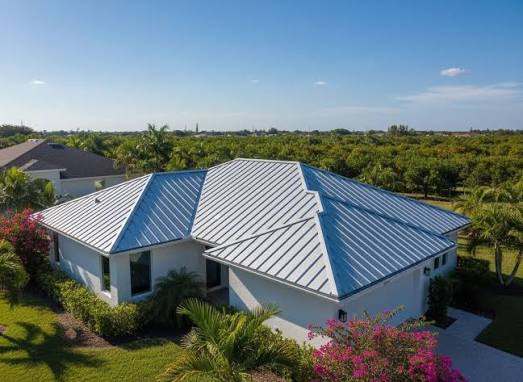
Considering Metal Roofing for Your Wesley Chapel Home?
Whether you’re exploring a new metal roof installation, evaluating storm-damaged panels, or considering replacement of an aging roofing system, a professional roof inspection can help identify suitable materials and determine the appropriate next steps for your Wesley Chapel home.