Roof Leak Repair in Wesley Chapel, FL
A leaking roof can quickly become a serious concern for homeowners in Wesley Chapel, FL, particularly during the area’s heavy summer thunderstorms and periods of wind-driven rain. Water entering through damaged shingles, cracked roof tiles, deteriorated flashing, or vulnerable roof penetrations can spread beneath roofing materials before becoming visible on ceilings and interior walls.
Whether you’re noticing a new ceiling stain, moisture around an attic vent, or dripping water during a storm, identifying the actual source of the leak is essential for preventing recurring damage. From established neighborhoods such as Seven Oaks to homes throughout the Wiregrass Ranch area, timely roof leak detection and targeted repairs can help protect insulation, roof decking, and interior living spaces.
Roof Leak Detection and Repair in Wesley Chapel, FL
Why Roof Leaks Can Be Difficult to Locate
Why Prompt Roof Leak Repairs Matter
6 Common Signs of Roof Leaks in Wesley Chapel Homes
Roof leaks do not always begin with water dripping from the ceiling. In many Wesley Chapel homes, early warning signs appear as discoloration, damp insulation, peeling paint, or moisture near roof penetrations. Florida’s heavy thunderstorms and wind-driven rainfall can expose weaknesses in shingles, flashing, roof valleys, and waterproofing materials.
Recognizing these warning signs early can help homeowners identify potential water intrusion before it leads to more extensive interior damage. Below are six common indications that a residential roof may need professional leak detection and repair.
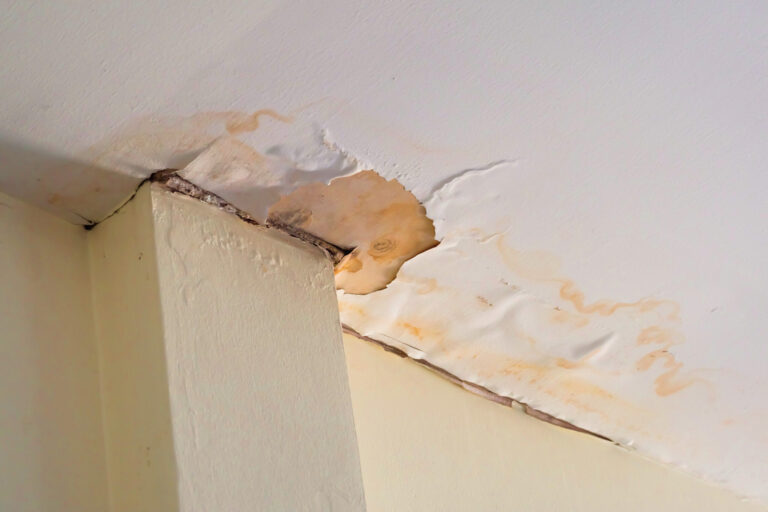
Water Stains on Ceilings and Walls
Brown or yellow ceiling stains are among the most recognizable signs of a leaking roof. Water entering through damaged shingles, flashing, or underlayment may travel along framing before appearing indoors. Stains that grow after heavy rainfall can indicate ongoing moisture intrusion that requires further investigation.
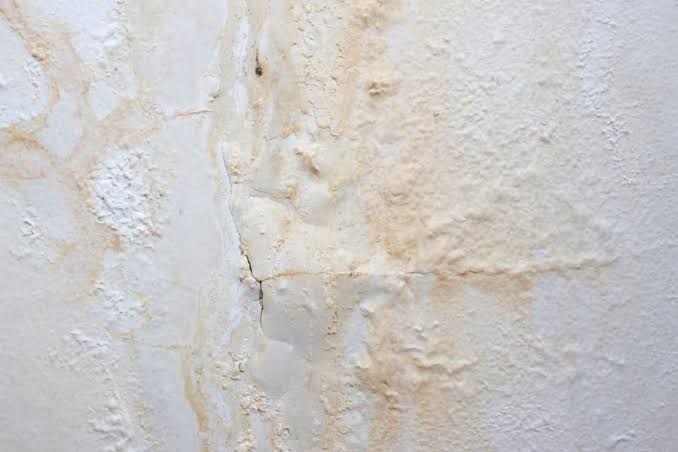
Peeling Paint or Bubbling Drywall
Moisture entering behind interior walls or ceilings can cause paint to blister, drywall to soften, and finished surfaces to peel. These symptoms may develop gradually after repeated storms. Although plumbing or condensation can cause similar damage, roof leaks should be considered when affected areas are near the roofline.
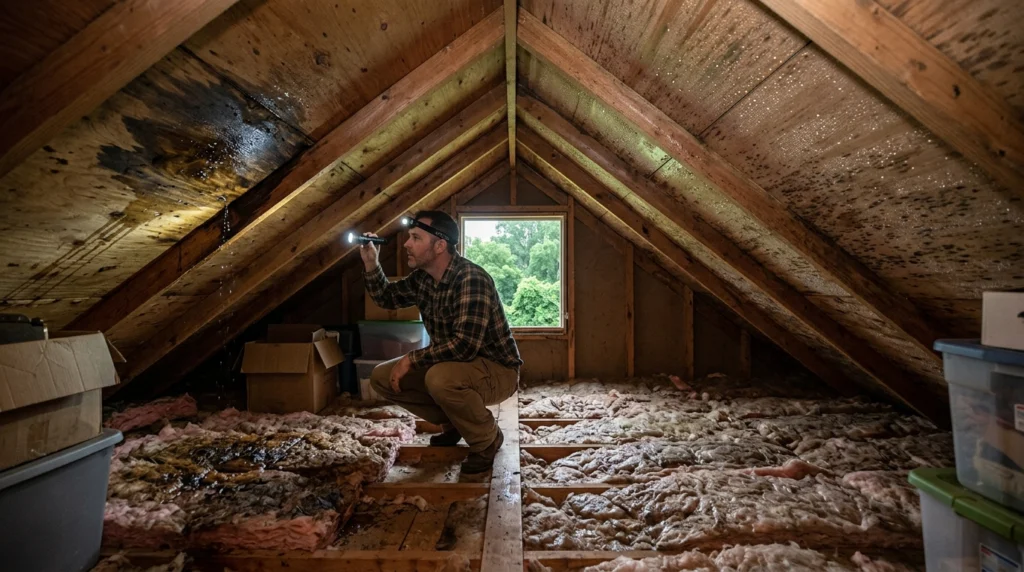
Damp Attic Insulation or Roof Decking
Wet insulation, darkened roof decking, or moisture around attic rafters can indicate water entering the roofing system. Leaks around vents, flashing, and roof valleys may remain hidden in the attic before affecting interior ceilings. Persistent moisture can reduce insulation performance and contribute to deterioration of wooden roofing components.
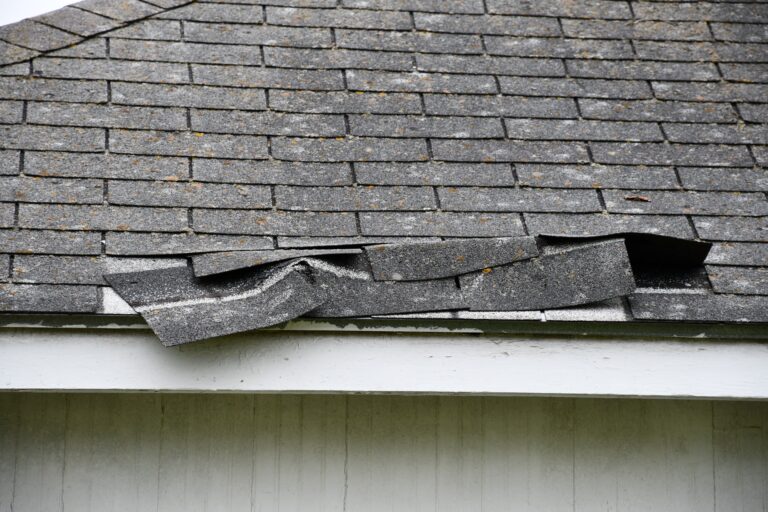
Missing, Cracked, or Lifted Shingles
Damaged or missing shingles can expose underlying roofing materials to rainwater. Strong winds and repeated weather exposure may loosen shingles or create openings where water can penetrate if the underlying waterproofing is compromised. Visible shingle damage should be evaluated even when interior leaking has not yet appeared.
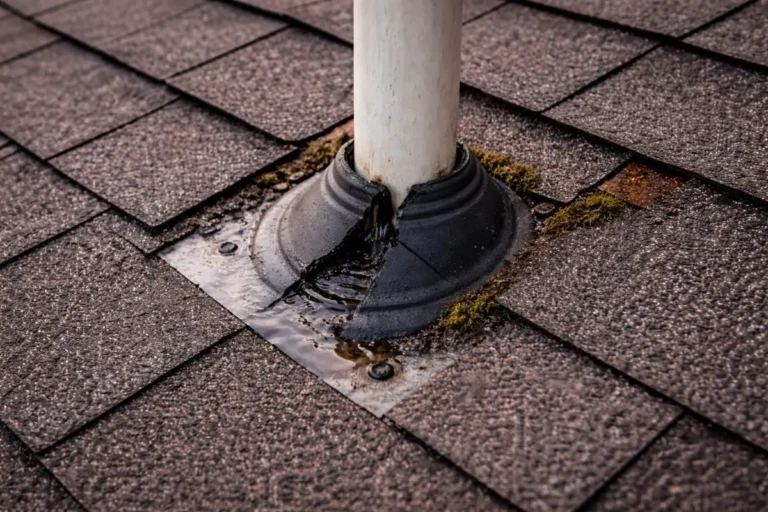
Moisture Around Roof Vents and Flashing
Roof penetrations and flashing connections are common locations for water intrusion. Deteriorated vent boots, loose metal flashing, and compromised seals may allow rainwater beneath surrounding roofing materials. Water stains near these components can suggest that the protective flashing system needs inspection or repair.
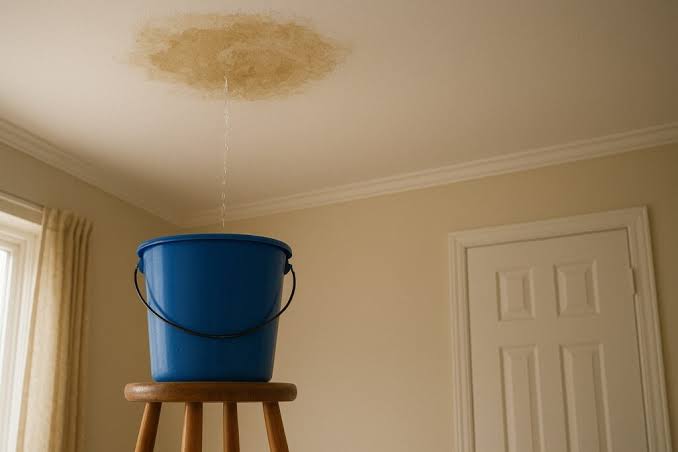
Dripping Water During Heavy Rainfall
Water dripping from ceilings or appearing around attic openings during thunderstorms is a strong indication of active moisture intrusion. Wind-driven rain can enter through vulnerable roof valleys, damaged flashing, or deteriorated roofing materials. Active leaks should be addressed promptly to help limit damage to insulation, drywall, and other interior components.
How Roof Leaks Are Located and Repaired
Effective roof leak repair begins with identifying where water enters the roofing system, not simply patching the area where moisture becomes visible indoors. In Wesley Chapel, heavy thunderstorms and wind-driven rainfall can expose vulnerabilities around roof valleys, flashing connections, plumbing vents, and damaged roofing materials.
A systematic inspection helps determine whether a localized repair can resolve the problem or whether additional roofing components have been compromised.
1. Inspect Interior Water Damage and Attic Moisture
Roof leak detection often begins by examining ceiling stains, damp attic insulation, water-damaged drywall, and moisture patterns along exposed rafters or roof decking. Because water can travel beneath roofing materials before becoming visible, these signs help narrow down potential entry points.
When accessible, an attic inspection may reveal staining near plumbing vents, roof valleys, or flashing connections that would otherwise remain hidden.
2. Identify the Source of the Roof Leak
A qualified roofing professional examines vulnerable areas such as damaged asphalt shingles, cracked concrete roof tiles, deteriorated pipe boots, metal flashing, and roof penetrations. The inspection may also include checking drainage pathways and the condition of surrounding underlayment.
When visual evidence is inconclusive, appropriate moisture measurements or controlled water testing may help identify the source. Accurate diagnosis is important because the location of an interior water stain does not always correspond to the actual roof opening.
3. Complete Targeted Roof Leak Repairs
Once the source of water intrusion is identified, the appropriate repair depends on the roofing material and extent of damage. Localized work may involve replacing damaged shingles, correcting loose flashing, installing new plumbing vent boots, or repairing compromised waterproofing components.
Tile roof leaks may require examining the underlayment beneath cracked or displaced tiles. When deterioration extends beyond a small area, additional repairs or a broader roofing evaluation may be necessary to address the underlying problem.
4. Assess Remaining Moisture and Prevent Recurring Leaks
After the roof defect is corrected, affected decking, insulation, and interior materials should be evaluated for remaining moisture damage. Wet insulation or deteriorated wood may require additional attention even after the exterior leak has been repaired.
Homeowners should also monitor previously affected areas during subsequent rainfall. Recurring stains or moisture can indicate that the original leak source was not fully resolved or that another vulnerable roofing component requires investigation.
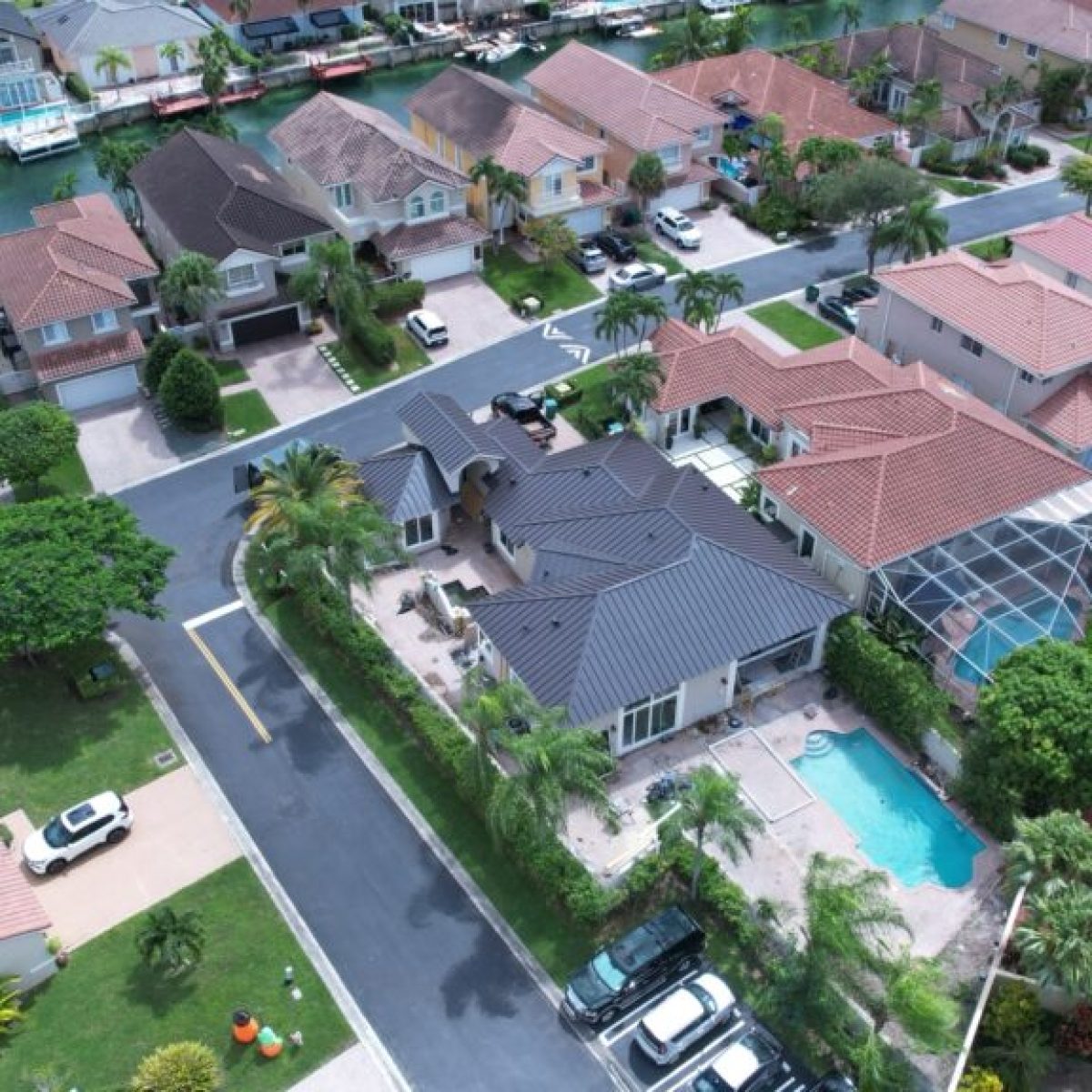
Roof Leak Concerns Throughout Wesley Chapel, FL
Residential roofing systems throughout Wesley Chapel face seasonal thunderstorms, heavy rainfall, prolonged sunshine, and occasional tropical weather. These conditions can expose weaknesses in roof flashing, underlayment, shingles, and other waterproofing components, particularly when existing materials have deteriorated.
Homes in established communities such as Lexington Oaks and Northwood may have roofing systems that have experienced years of Florida weather, while properties in newer developments such as Epperson and WaterGrass can still encounter leaks caused by installation defects, storm damage, or vulnerable roof connections. Roof age alone does not determine whether a leak will occur.
Along the Bruce B. Downs Boulevard corridor, near The Shops at Wiregrass, and throughout residential areas surrounding State Roads 54 and 56, identifying the source of moisture is more important than relying on temporary surface patches. Whether a property has asphalt shingles, concrete roof tiles, or another residential roofing system, the appropriate repair depends on the condition of the affected materials and the source of water intrusion.
When widespread deterioration affects multiple roofing components, homeowners may also need to consider roof replacement in Wesley Chapel rather than repeated localized repairs.
Frequently Asked Questions About Roof Leak Repair in Wesley Chapel, FL
Homeowners in Wesley Chapel, FL often have questions about roof leaks, ceiling water stains, repair costs, and whether damaged roofing materials can be repaired without replacing the entire roof. Understanding the warning signs of water intrusion, common leak sources, and available repair options can help homeowners make informed decisions. Below are answers to frequently asked questions about residential roof leak detection and repair in Wesley Chapel.
How do I know if my roof is leaking?
Common signs of a roof leak include brown ceiling stains, peeling paint, damp attic insulation, musty odors, and water dripping during rainfall. Some leaks appear only during wind-driven storms, while others develop gradually after repeated exposure to moisture. A professional roof leak inspection can help distinguish roofing problems from plumbing leaks, condensation, or other sources of water damage.
Can a roof leak be repaired without replacing the entire roof?
Yes. Many isolated roof leaks can be repaired without replacing the entire roofing system when the surrounding materials remain in serviceable condition. Repairs may involve replacing damaged asphalt shingles, correcting flashing, installing new plumbing vent boots, or restoring localized waterproofing components. However, widespread deterioration, aging underlayment, or extensive roof decking damage may require more substantial repairs or roof replacement.
Why does my roof leak only during heavy rain?
Roof leaks that appear only during heavy thunderstorms may involve damaged flashing, vulnerable roof valleys, deteriorated shingles, or openings around roof penetrations. Wind-driven rain can force water beneath roofing materials that remain relatively dry during lighter rainfall. In Wesley Chapel, intense summer storms can expose these weaknesses, making a careful inspection important for identifying the actual source of water intrusion.
How much does roof leak repair cost in Wesley Chapel, FL?
Roof leak repair costs in Wesley Chapel depend on the location of the leak, roofing material, roof accessibility, and extent of the damage. Replacing a damaged vent boot or a few shingles is generally less involved than repairing deteriorated tile underlayment, extensive flashing damage, or compromised roof decking. Because the visible water stain may not reveal the full extent of the problem, a professional inspection and written estimate are the most reliable ways to determine the required repairs and their cost.
Is a ceiling water stain always caused by a roof leak?
No. Ceiling water stains can also result from plumbing leaks, air-conditioning condensation, or other moisture sources. Stains that appear or expand after rainfall may suggest a roofing problem, but water can travel along rafters and other building materials before becoming visible indoors. Identifying the source is important before beginning roof repairs or replacing damaged interior finishes.
What should I do if my roof starts leaking during a storm?
If your roof begins leaking during a storm, move furniture and valuables away from the affected area and collect dripping water when safe. Avoid climbing onto the roof or entering an attic where structural damage may be present. If water is near electrical fixtures or wiring, stay clear and seek qualified assistance. Active leaks should be evaluated promptly by a roofing professional once conditions are safe. Significant storm-related damage may require emergency roofing services.
Can a leaking roof cause mold or structural damage?
Yes. Persistent roof leaks can damage drywall, insulation, wooden roof decking, and other building materials. Moisture that remains trapped in enclosed areas may create conditions that support mold growth and wood deterioration. Addressing the source of water intrusion promptly and evaluating affected materials can help reduce the risk of additional interior damage and more extensive restoration work.
How long does roof leak repair usually take?
The time required for roof leak repair depends on the roofing material, accessibility, weather conditions, and extent of damage. Some localized repairs involving shingles or vent boots may be completed in a single visit, while more complicated flashing, underlayment, or roof decking repairs can require additional work. A qualified roofing contractor can provide a more accurate timeline after identifying the leak source and assessing the affected roofing components.