Emergency Roofing Services in Wesley Chapel, FL
Severe thunderstorms, powerful wind gusts, fallen tree limbs, and unexpected roof leaks can leave Wesley Chapel homeowners facing urgent roofing problems. Emergency roofing services may help address storm-damaged shingles, exposed roof decking, active water intrusion, and other situations requiring prompt attention. From residential neighborhoods near Seven Oaks to properties along the Bruce B. Downs Boulevard corridor, timely roof assessments, temporary protective measures, and appropriate repairs can help limit additional damage while a permanent roofing solution is planned.
Whether strong winds have lifted shingles, heavy rainfall has exposed a vulnerable section of your roof, or a sudden leak is threatening ceilings and interior spaces, identifying the source of the problem is an important first step. Wesley Chapel homeowners dealing with urgent roofing damage can explore temporary roof protection and professional roof repair options to help restore their home’s weather resistance and prevent further deterioration.
Emergency Roofing Services in Wesley Chapel, FL
Unexpected roof damage can put a Wesley Chapel home at risk of interior water intrusion, damaged insulation, and costly repairs if vulnerable areas remain exposed. Emergency roofing solutions focus on identifying urgent problems, evaluating storm-related damage, and determining whether temporary protection or immediate repairs are appropriate. From residential communities near Meadow Pointe to properties along the State Road 56 corridor, homeowners may encounter wind-lifted shingles, damaged roof flashing, fallen tree limbs, or leaks that develop during heavy thunderstorms. Once the immediate concern is addressed, additional roof repairs or replacement may be necessary to restore long-term protection.
Urgent Roof Leak & Damage Assessment
A sudden roof leak or exposed section of roofing can quickly threaten ceilings, insulation, electrical fixtures, and personal belongings. Urgent roof damage assessments help identify the source of water intrusion, evaluate vulnerable roofing materials, and determine whether temporary protection or targeted repairs are needed. Addressing these concerns promptly may help reduce additional moisture damage while a longer-term roofing solution is arranged.
Emergency Storm & Wind Damage Repairs
Severe thunderstorms and strong wind gusts can loosen shingles, damage roof flashing, dislodge ridge caps, and expose vulnerable areas around vents or roof penetrations. Falling branches and wind-driven debris may also damage tile roofing or create openings that allow rainwater inside. Following a storm, evaluating both visible damage and less obvious roofing vulnerabilities helps determine whether localized repairs, temporary protection, or more extensive restoration work is appropriate.
Emergency Roof Tarping & Temporary Protection
When a damaged roof cannot be permanently repaired right away, temporary roof tarping may help protect exposed decking, missing shingles, and other compromised areas from additional rainfall. Properly secured protective coverings can reduce water intrusion while weather conditions, material availability, or repair scheduling are addressed. Temporary measures are not a substitute for permanent repairs, but they can provide short-term protection until the roofing system can be restored.
Learn more about storm and hurricane roof damage, including wind-related roofing problems, hidden damage, and steps homeowners can take after severe weather. Copy text
Urgent Roof Repair & Storm Damage Services in Wesley Chapel, FL
When unexpected roof damage leaves a home vulnerable to heavy rainfall or additional wind exposure, identifying the affected areas becomes a priority. Wesley Chapel homeowners may experience sudden ceiling leaks, missing or displaced shingles, damaged roof flashing, or openings caused by fallen branches and storm debris. Residential properties around the Wiregrass Ranch community and along State Road 54 can face similar roofing concerns during severe thunderstorms. Depending on the extent of the damage, urgent roofing solutions may involve leak detection, temporary weather protection, localized repairs, or a more detailed roof condition assessment.
The appropriate response to emergency roof damage depends on whether the problem is isolated or affects a larger portion of the roofing system. A small leak around flashing, vents, or missing shingles may be addressed through targeted roof repairs, while widespread wind damage, deteriorated decking, or an aging roof may require more extensive restoration or replacement. Evaluating the condition of the roof helps homeowners understand the available options and prioritize repairs that protect the structure from further moisture intrusion.
Emergency Roof Leak Repair
Active roof leaks can develop around damaged shingles, deteriorated flashing, roof valleys, vents, or other vulnerable areas. Water entering the roofing system may spread into attic insulation, drywall, ceilings, and interior living spaces. Emergency roof leak assessments focus on identifying possible entry points, evaluating affected materials, and determining whether temporary protection or targeted repairs are appropriate. Addressing the source of moisture intrusion can help limit additional damage while the roofing system is restored.
Emergency Roof Tarping
When storms leave roof decking exposed or remove sections of shingles or tiles, temporary roof tarping may help reduce further water intrusion. Protective coverings are intended to shield damaged areas while weather conditions improve or permanent repairs are arranged. Proper installation and secure attachment are important because loose or poorly positioned tarps can fail during additional wind or rainfall. Roof tarping is a short-term protective measure, not a replacement for repairing the underlying roofing damage.
Emergency Storm Damage Roof Repair
Strong winds, flying debris, and intense thunderstorms can damage asphalt shingles, clay or concrete tiles, ridge caps, flashing, and roof penetrations. Some storm-related damage is immediately visible, while other problems involve loosened materials or compromised waterproofing that may not be obvious from the ground. A roof damage evaluation helps identify affected areas, determine whether the roof remains weather-resistant, and establish whether localized repairs or more extensive restoration should be considered.
Emergency Roof Inspections
Following severe weather or an unexpected roofing failure, an emergency roof inspection can help determine the condition of shingles, tiles, flashing, roof decking, and other vulnerable components. Inspectors may look for displaced materials, damaged seals, moisture intrusion, and areas where wind or debris has compromised the roof’s protective barrier. The findings can help homeowners understand whether temporary stabilization, minor repairs, or a more extensive roofing project is appropriate.
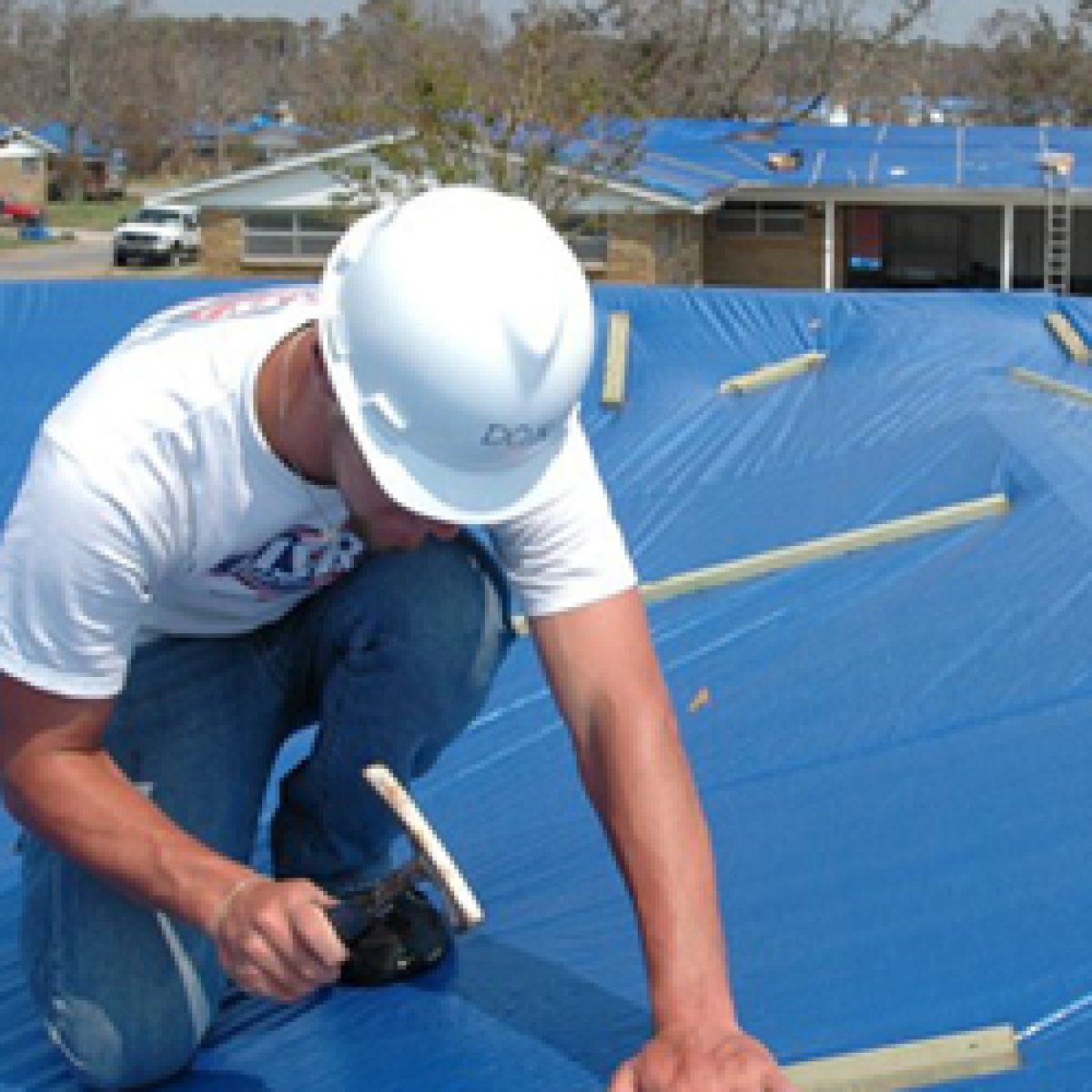
Emergency Roof Tarping in Wesley Chapel, FL
When severe thunderstorms, fallen tree limbs, or strong winds leave a residential roof exposed, temporary roof tarping can provide an important layer of protection until permanent repairs are possible. Homeowners in Wesley Chapel may need emergency roof coverings after missing shingles, damaged roof tiles, punctured roofing materials, or exposed roof decking allow rainfall to enter the home. From established neighborhoods near Wesley Chapel Boulevard to residential properties around the Epperson community, properly installed roof tarps can help reduce further moisture intrusion while the extent of the damage is evaluated and a repair plan is developed.
Prevent Additional Water Intrusion
Exposed roof decking, displaced shingles, and damaged flashing can create openings where rainwater enters the roofing system. Temporary roof tarping helps cover vulnerable areas and redirect rainfall away from damaged sections while further repairs are being arranged. When installed and secured correctly, protective coverings may help reduce moisture exposure around roof penetrations, attic insulation, ceilings, and other interior components. Tarping provides short-term weather protection rather than restoring the roof's permanent waterproofing system.
Reduce Interior Damage
Water entering through a compromised roof can travel beyond the original leak and affect drywall, insulation, ceilings, flooring, and electrical fixtures. Temporary roof stabilization may help limit additional moisture exposure while homeowners document the damage and arrange a professional roofing assessment. Early protective measures can also help reduce the risk of worsening interior deterioration, although existing water damage may still require separate drying, cleanup, or restoration work.
Prepare for Permanent Roofing Repairs
Emergency roof tarping is intended to protect damaged areas temporarily while the underlying roofing problems are assessed. Once conditions allow, a more complete evaluation can identify missing materials, damaged underlayment, weakened flashing, or deteriorated roof decking that may require attention. Localized damage may be addressed through professional roof repair, while extensive storm damage or widespread roofing deterioration could make roof replacement the more practical long-term solution.
Storm Damage Roof Repair Services in Wesley Chapel, FL
Severe thunderstorms can leave Wesley Chapel homeowners dealing with damaged shingles, compromised roof flashing, exposed underlayment, and unexpected water intrusion. Strong wind gusts may loosen roofing materials or displace ridge caps, while flying debris can puncture vulnerable sections of the roof. Not every storm-related problem is immediately visible from the ground, making a thorough roof damage assessment important for identifying weakened areas, checking the condition of surrounding materials, and determining whether repairs or temporary protection are needed.
Residential properties near Northwood and along the Boyette Road corridor may experience roofing problems following periods of heavy rainfall, wind-driven debris, and strong seasonal storms. Damage can range from isolated shingle displacement to more extensive deterioration around roof valleys, flashing, vents, and exposed decking. Even when the roof appears intact, moisture may enter through weakened seals or concealed openings, making it important to evaluate suspicious ceiling stains, attic dampness, and other signs of developing roof leaks.
The extent of storm damage helps determine the most appropriate roofing solution. Isolated problems involving missing shingles, damaged flashing, or small areas of exposed underlayment may be addressed through professional roof repair. When severe weather affects a substantial portion of the roofing system or exposes widespread deterioration, roof replacement may provide a more practical long-term solution. Evaluating the roof’s overall condition helps homeowners understand their options before additional rainfall causes further damage.
Wind Damage
Powerful wind gusts can lift asphalt shingles, loosen ridge caps, displace roof tiles, and weaken flashing around vulnerable roof sections. Wind uplift may also compromise the adhesive seals that help keep shingles secured, even when the materials remain in place. After severe weather, identifying lifted edges, missing components, and exposed underlayment can help determine whether localized repairs are necessary to restore the roof's protective barrier.
Heavy Rain
Intense rainfall can expose existing weaknesses around roof valleys, flashing transitions, vents, and other areas where roofing materials meet. Water may enter through damaged seals or deteriorated underlayment and travel before appearing as stains on ceilings or walls. Following a major storm, new discoloration, attic moisture, or recurring leaks may indicate that the roofing system requires further inspection and targeted repairs to address the source of water intrusion.
Fallen Debris
Falling branches and windblown debris can crack roof tiles, puncture shingles, damage gutters, and expose underlying roofing materials. Larger impacts may affect roof decking or structural components that are not fully visible from outside the home. After a tree limb or other debris strikes the roof, homeowners should avoid climbing onto damaged areas and arrange an appropriate assessment to determine whether temporary protection, material replacement, or structural repairs are needed.
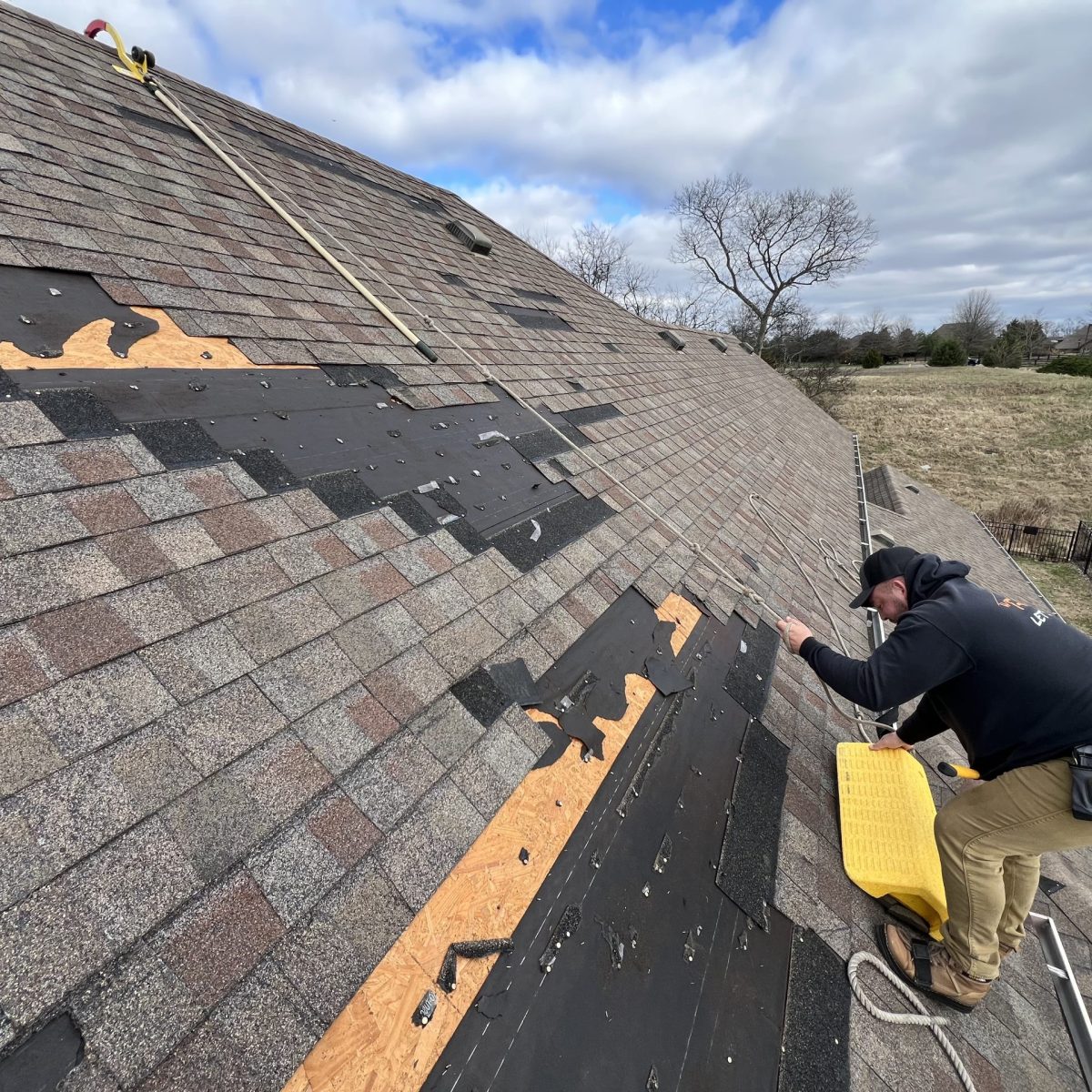
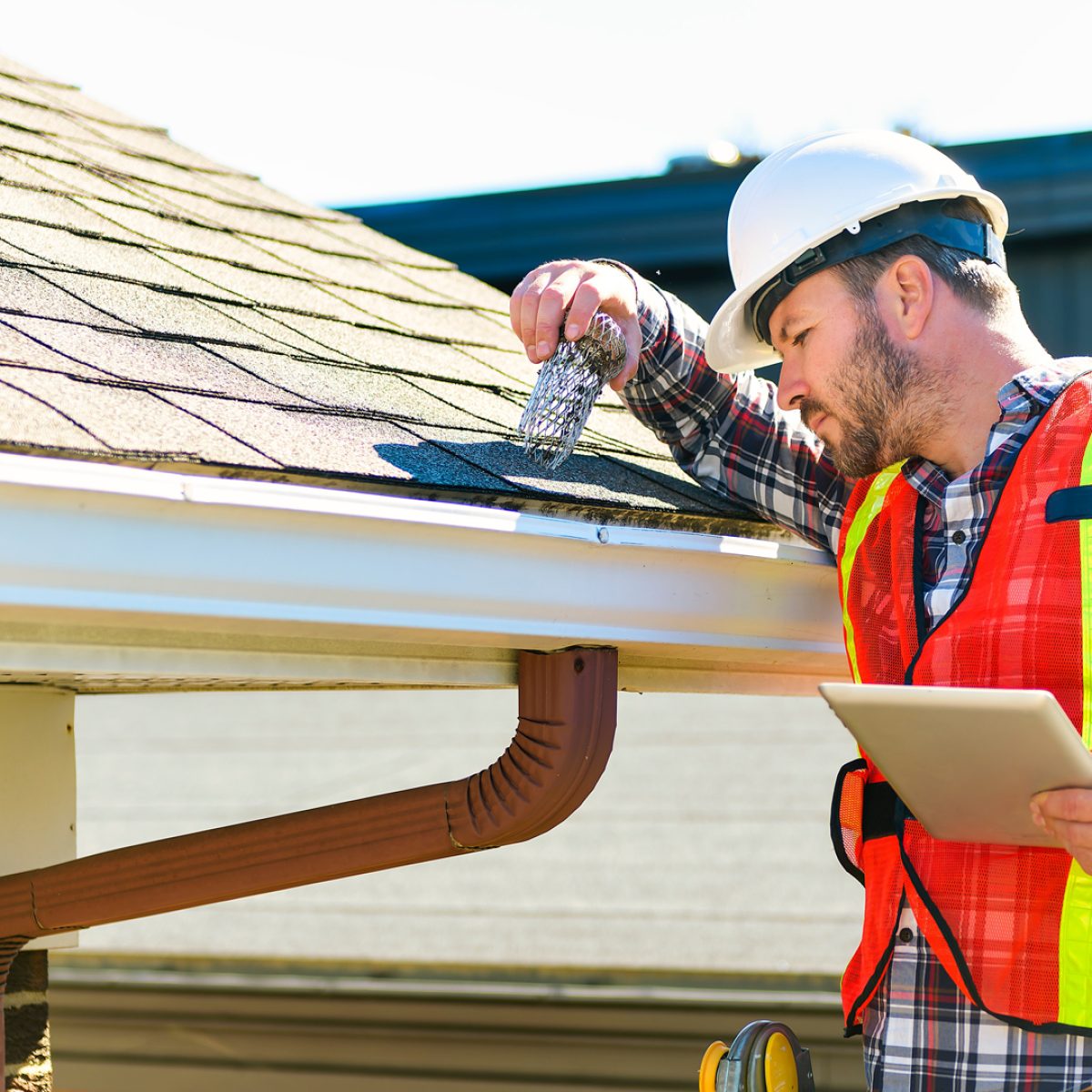
Emergency Roof Leak Detection in Wesley Chapel, FL
A roof leak isn’t always located directly above the water stain appearing on your ceiling. Moisture can travel along roof decking, rafters, underlayment, and other structural components before becoming visible inside the home. Emergency roof leak detection focuses on identifying possible entry points around damaged shingles, roof valleys, flashing, vents, and other vulnerable roofing areas. Finding the underlying source of water intrusion is essential for determining the appropriate repair rather than repeatedly treating interior symptoms.
Homeowners in Wesley Chapel communities such as Chapel Pines and the Lexington Oaks area may discover roof leaks following heavy thunderstorms, prolonged rainfall, or strong wind gusts. Warning signs can include damp attic insulation, discoloration around ceilings, peeling paint, moisture near skylights, or water stains that continue growing after a storm. Because some leaks remain concealed beneath roofing materials, a detailed roof assessment can help identify the affected components and determine whether immediate protective measures or targeted repairs are needed.
Once the source of a roof leak has been identified, the next step is evaluating the condition of the surrounding roofing materials. Localized problems involving damaged flashing, displaced shingles, or deteriorated seals may be addressed through professional roof repair. If an inspection reveals extensive moisture damage, compromised decking, or widespread roofing deterioration, a more comprehensive roofing solution may be necessary to restore dependable weather protection.
Locate Hidden Roof Leaks
Water entering through damaged roofing materials can travel beneath shingles, along underlayment, or across roof decking before reaching an interior ceiling or wall. A detailed roof leak inspection examines possible moisture pathways and vulnerable entry points to help identify the underlying problem. Locating concealed leaks early may reduce unnecessary repairs and help prevent additional water damage inside the home.
Inspect Critical Roofing Components
Roof leak assessments may include checking shingle edges, roof valleys, flashing transitions, pipe boots, skylight seals, vents, and other roof penetrations for signs of deterioration or water entry. Inspecting these vulnerable areas helps determine whether a leak is caused by a damaged roofing component, an installation-related weakness, or storm-related deterioration. Identifying the affected materials supports more targeted repair recommendations.
Reduce Future Damage
Unresolved roof leaks can contribute to saturated insulation, damaged drywall, deteriorated wood materials, and recurring moisture problems. Identifying the source of water intrusion and addressing compromised roofing components can help reduce the likelihood of additional damage. Prompt attention also gives homeowners an opportunity to evaluate the roof's overall condition and plan necessary repairs before minor issues develop into larger roofing projects.
Roof Damage Documentation for Insurance Claims
Severe thunderstorms, strong winds, and falling debris can leave homeowners with unexpected roofing damage and questions about possible insurance coverage. Documenting the condition of the roof before permanent repairs begin can help preserve important information about the damage. Photographs, written inspection findings, and records of affected roofing materials may be useful when reporting a loss to an insurance company. A roof damage assessment can also help identify areas requiring temporary protection while the appropriate repair plan is developed.
Homeowners in Wesley Chapel communities such as Union Park and WaterGrass may encounter damaged shingles, displaced roof tiles, compromised flashing, or exposed underlayment following severe weather. When these problems occur, clear photographs and detailed notes can help establish the visible condition of the roof and identify areas requiring attention. Property owners should also retain relevant repair estimates, receipts for temporary protective measures, and correspondence with their insurance carrier while arranging necessary roofing work.
Document Roof Damage
Photographs and written records can help document missing shingles, cracked roof tiles, damaged flashing, exposed underlayment, and other visible signs of storm-related roofing damage. Recording the date of the event, affected roof areas, and any interior water intrusion may provide useful supporting information when reporting damage to an insurance carrier. Documentation should be completed from a safe location without climbing onto a compromised roof.
Detailed Roof Inspections
A detailed roofing inspection can help identify both obvious storm damage and less visible concerns involving shingle seals, roof valleys, flashing, underlayment, and decking. Inspection findings may help clarify which roofing components require repair and whether the damage is isolated or widespread. A written assessment can also provide useful information when homeowners discuss the condition of their roof with their insurance company or roofing service provider.
Temporary Damage Mitigation
When storm damage leaves roofing materials exposed, temporary roof tarping or other protective measures may help reduce additional water intrusion while permanent repairs are arranged. Homeowners should document visible damage when safe, retain receipts for emergency protection, and report the loss according to their insurance policy's requirements. Once the affected areas are stabilized, a roofing assessment can help determine the repairs needed to restore the roof's weather resistance.

Emergency Roofing Solutions for Wesley Chapel Homeowners
When severe weather causes unexpected roof damage, homeowners need clear information about the condition of their roofing system and the available options for protecting their property. Emergency roofing solutions in Wesley Chapel may involve evaluating active leaks, identifying wind-damaged materials, securing exposed roof sections, and determining whether temporary protection or targeted repairs are appropriate. Understanding the extent of the damage helps homeowners make informed decisions before additional rainfall or moisture intrusion creates more extensive problems.
Residential properties near New River Lakes and the Saddlebrook area can face roofing concerns following strong thunderstorms, fallen branches, or prolonged periods of heavy rainfall. Some problems may be limited to damaged flashing, missing shingles, or small roof openings, while others involve weakened underlayment, exposed decking, or broader roofing deterioration. A careful assessment helps determine whether localized roof repair or a more extensive roof replacement is appropriate for the home’s condition.
From emergency roof tarping and leak assessments to storm damage inspections and permanent repair planning, each stage serves a different purpose in restoring a home’s weather protection. Temporary measures may help limit further exposure, while a detailed evaluation can identify underlying roofing problems and guide longer-term decisions. Wesley Chapel homeowners can use these findings to better understand the available repair options and prioritize the work needed to protect their property.
Urgent Roofing Damage Assessment
Unexpected roof leaks, missing shingles, and exposed roofing materials can leave a home vulnerable to additional rain and wind. An urgent roofing assessment helps identify affected areas, evaluate immediate concerns, and determine whether temporary protection or localized repairs are appropriate. Understanding the condition of the roof, including potential water intrusion and damage to underlying materials, is an important first step toward reducing further exposure and planning the necessary work.
Thorough Roof Inspections
A detailed roof inspection can help identify visible storm damage and concealed weaknesses involving shingles, tiles, flashing, roof valleys, vents, and decking. Evaluating these components provides a clearer picture of the roofing system’s overall condition and helps determine whether the problem is isolated or widespread. Inspection findings can support appropriate recommendations for temporary stabilization, targeted repairs, or more extensive roofing work.
Repair Options Based on Roof Condition
Not every roofing emergency requires a complete roof replacement. The appropriate solution depends on the type of roofing material, age of the system, location of the damage, and condition of surrounding components. Some problems can be addressed through localized repairs, while widespread deterioration or extensive storm damage may justify a more comprehensive roofing project. Evaluating these factors helps homeowners compare their available options.
Roofing Material Compatibility
Emergency roof repairs should account for the materials already installed on the home, whether asphalt shingles, concrete or clay tiles, metal roofing, or other residential roof systems. Repair methods and replacement components must be appropriate for the existing roofing design and condition. Material compatibility, proper flashing details, and sound installation practices are important considerations when restoring damaged areas and maintaining weather resistance.
Residential & Commercial Roofing
Roofing emergencies can affect single-family homes, townhomes, multifamily properties, and commercial buildings. While residential roofs commonly involve shingles, tiles, or metal roofing, commercial properties may have flat or low-slope systems that require different repair methods. Understanding the type of building and roofing material helps determine the appropriate assessment, temporary protection, and repair approach for each situation.
Emergency Roofing Throughout Wesley Chapel
This website focuses on emergency roofing needs throughout Wesley Chapel, Florida, including established residential neighborhoods, growing communities, and properties along the area’s major road corridors. Homeowners dealing with storm damage, unexpected roof leaks, exposed roofing materials, or fallen debris can explore emergency roofing solutions and request information about their specific roofing concerns.
Frequently Asked Questions About Emergency Roofing in Wesley Chapel, FL
Unexpected roof damage can leave Wesley Chapel homeowners wondering how quickly repairs are needed, whether temporary roof tarping will prevent further leaks, and what steps to take after severe weather. From residential communities near the Pasco County line to homes throughout the Wesley Chapel area, strong thunderstorms, wind-driven rainfall, and falling debris can create urgent roofing concerns. The following answers address emergency roof repair, storm damage inspections, hidden leaks, insurance documentation, and temporary protection while permanent roofing solutions are evaluated.
What qualifies as a roofing emergency?
A roofing emergency occurs when damage creates an immediate risk of water intrusion, exposes vulnerable roofing materials, or presents a potential safety hazard. Common examples include active roof leaks, missing shingles or tiles, punctured roof decking, fallen tree limbs, and significant storm damage. Temporary protection may be needed to limit additional exposure before permanent roof repairs can be completed. Homeowners should avoid entering areas affected by structural damage or electrical hazards.
How quickly should emergency roof leaks be repaired?
An active roof leak should be assessed as soon as safely possible because continued moisture intrusion can damage insulation, ceilings, drywall, and structural materials. The urgency depends on the amount of water entering the home, the condition of the roof, and whether additional rainfall is expected. Temporary protective measures may help reduce exposure until permanent repairs can be arranged. If water is near electrical fixtures or the roof appears structurally unstable, avoid the affected area and seek appropriate emergency assistance.
Can emergency roof tarping stop a roof leak?
Emergency roof tarping can help reduce water entering through damaged or exposed roofing areas, but it is a temporary protective measure rather than a permanent leak repair. Its effectiveness depends on the location and extent of the damage, proper installation, and weather conditions. Heavy winds or additional storms may compromise temporary coverings. Once conditions are safe, the underlying roofing damage should be evaluated and repaired to restore the roof’s long-term weather resistance.
What should I do immediately after storm damage?
After a storm, first make sure everyone is safe and avoid climbing onto a damaged roof. Look for visible problems from the ground, including missing shingles, fallen branches, damaged gutters, or exposed roofing materials. Photograph damage when it is safe to do so, protect belongings from active leaks, and contact your insurance company if you intend to report a loss. Arrange a roofing assessment to determine whether temporary protection, localized repairs, or more extensive work is necessary.
Will homeowners insurance cover emergency roof repairs?
Homeowners insurance may cover certain types of sudden or accidental roof damage, such as damage caused by covered windstorms or falling debris. However, coverage depends on the policy, exclusions, deductibles, cause of loss, and the insurance company’s determination. Damage resulting from normal wear, neglected maintenance, or long-term deterioration may not be covered. Homeowners should document the damage, retain receipts for reasonable temporary protective measures, and review their policy or contact their insurer for claim-specific guidance.
Can heavy rain cause roof leaks even if shingles are still in place?
Yes. A roof can develop leaks even when its shingles appear intact from the ground. Wind-driven rain may enter through deteriorated flashing, weakened shingle seals, damaged pipe boots, roof valleys, or openings around vents and skylights. Water can also travel beneath roofing materials before appearing as an interior ceiling stain. A detailed roof leak inspection can help identify concealed entry points and determine which components require attention.
How do I know if my roof has hidden storm damage?
Hidden storm damage may involve loosened shingles, compromised adhesive seals, cracked tiles, damaged flashing, or weakened underlayment that is not obvious from the ground. Warning signs inside the home can include new ceiling stains, damp attic insulation, peeling paint, or recurring leaks after heavy rainfall. A post-storm roofing inspection can help identify less visible damage and evaluate whether the roof’s protective components remain in suitable condition.
Do emergency roofing services include roof inspections?
Emergency roofing work often begins with an assessment of the damaged areas to determine the extent of the problem and whether immediate protective measures are appropriate. Depending on the situation, an inspection may examine shingles, tiles, flashing, roof penetrations, decking, and signs of moisture intrusion. A more comprehensive evaluation may be necessary after temporary stabilization, particularly when storm damage is widespread or the condition of underlying roofing materials is uncertain. Inspection availability and scope depend on the roofing provider.
Can I stay in my home during emergency roof repairs?
Homeowners may be able to remain inside during certain localized roof repairs, but safety depends on the extent of the damage and the work being performed. Significant structural damage, unstable roof decking, exposed electrical components, or extensive interior water intrusion may make portions of the property unsafe. Follow the recommendations of qualified roofing professionals and emergency personnel, and avoid rooms or areas where falling materials, electrical hazards, or structural instability are concerns.
Can emergency roof repairs be completed during hurricane season?
Emergency roof repairs may be performed during Florida’s hurricane season when weather conditions, site access, and worker safety allow. However, roofing work should not proceed during dangerous winds, lightning, or other hazardous conditions. Temporary protection may be appropriate after a storm has passed, while permanent repairs may need to wait until the roof can be safely inspected and suitable materials are available. Homeowners should address known roofing vulnerabilities before additional severe weather develops whenever possible.
Need Emergency Roof Repair in Wesley Chapel, FL?
A sudden roof leak, missing shingles, fallen tree limbs, or storm-damaged roofing materials can leave your home exposed to additional rainfall and costly interior damage. If you’re dealing with an unexpected roofing problem in Wesley Chapel, identifying the affected areas and determining whether temporary roof protection or urgent repairs are needed can help prevent the situation from becoming more extensive.
From residential neighborhoods near Quail Hollow to properties along Old Pasco Road, Wesley Chapel homeowners can experience roof damage caused by powerful thunderstorms, wind-driven rain, and falling debris. Whether the problem involves an active leak, damaged flashing, exposed underlayment, or missing roof tiles, an appropriate roofing assessment can help determine the next steps for protecting your home and planning permanent repairs.
Once the extent of the damage is understood, localized roofing problems may be addressed through professional roof repair, while extensive deterioration or widespread storm damage could require roof replacement. Commercial property owners facing urgent roofing concerns can also explore commercial roofing services for flat roofs, low-slope systems, and other business roofing applications throughout Wesley Chapel.
Don’t wait for a minor roofing problem to develop into more extensive water intrusion. Request information about your emergency roofing concern, describe the damage you’ve noticed, and take the next step toward evaluating the condition of your roof and identifying an appropriate repair solution.
- Urgent Roof Damage & Leak Assessments
- Storm Damage Inspections & Temporary Protection
- Residential & Commercial Roofing Solutions
- Focused on Wesley Chapel, FL